
In the past few years, we've seen lots of new superheroes on screen, but Jason Momoa as Aquaman, Henry Cavill as Superman, Gal Gadot as Wonder Woman, and Ben Affleck as Batman have really stood out with their memorable performances.
However, these actors' classic roles that match so well with their characters will forever be gone with the end of the DC Extended Universe (DCEU). With the restructuring of DC Films at the end of 2022 and the appointment of James Gunn and Peter Safran as co-CEOs, a brand-new DC Universe (DCU) is set to kick off in July 2025 with "Superman: Legacy".
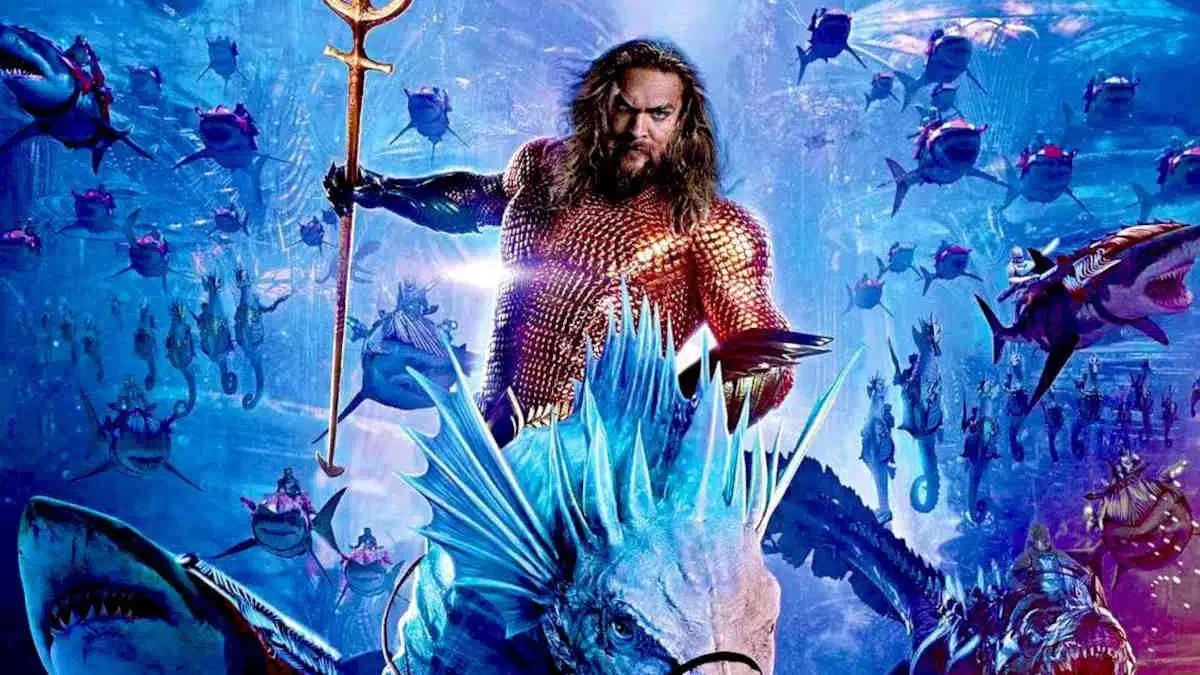
In the DCU, characters like Superman, Batman, Wonder Woman, and Aquaman will be played by new actors. The new Superman, David Corenswet, has already made his appearance, and many audiences have commented that the "new Superman" bears a striking resemblance to the previous actor, Henry Cavill. So, fans can only ask Warner Bros. and DC, "What's the point of this?"
Certainly, while the DC Extended Universe (DCEU) hasn't quite reached the same box office success as the Marvel Cinematic Universe, fans still greatly appreciate its overall quality. The DCEU offers a relatively coherent world-building, and its main characters possess distinctive personal charms. Despite having somewhat predictable storylines, these films maintain a unique and distinct flavor that audiences find appealing.
The last film of the DCEU, "Aquaman and the Lost Kingdom" was released. However, the more enjoyable the audience found it, the stronger the sense of loss they felt after watching it - such a great genre film that combines entertainment, excitement and visual imagination will not be seen again in the future. This, undoubtedly, is the biggest regret.
01
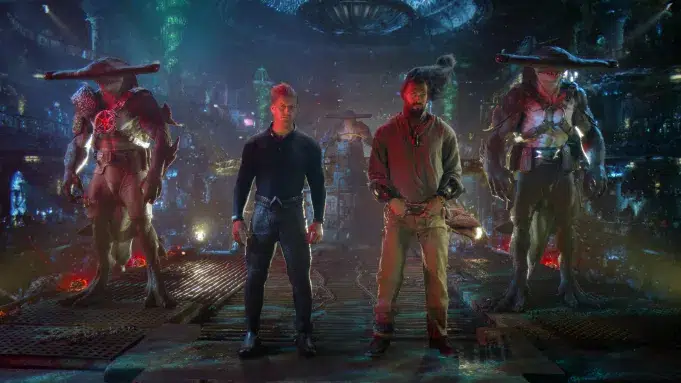
While superhero movies often follow a strict formula where producers wield considerable control over content, the past decade has consistently demonstrated that movies are fundamentally the artistic vision of directors. It's the directors with creative prowess, genre sensitivity, and imaginative storytelling who ultimately excel in crafting superior superhero films.
James Wan, the director of "Aquaman and the Lost Kingdom", is a filmmaker who can bring innovation, freshness and passion to genre and even formulaic creations.
The story structure, character relationships and thematic intentions of this film are basically similar to those seen in previous superhero films. James Wan's room for creativity lies in the details, such as the rhythm of a particular scene, the natural integration of many iconic elements of superhero films, the visual design of the settings and creatures, the foreshadowing of solutions to predicaments, and the closeness between superheroes and ordinary people.
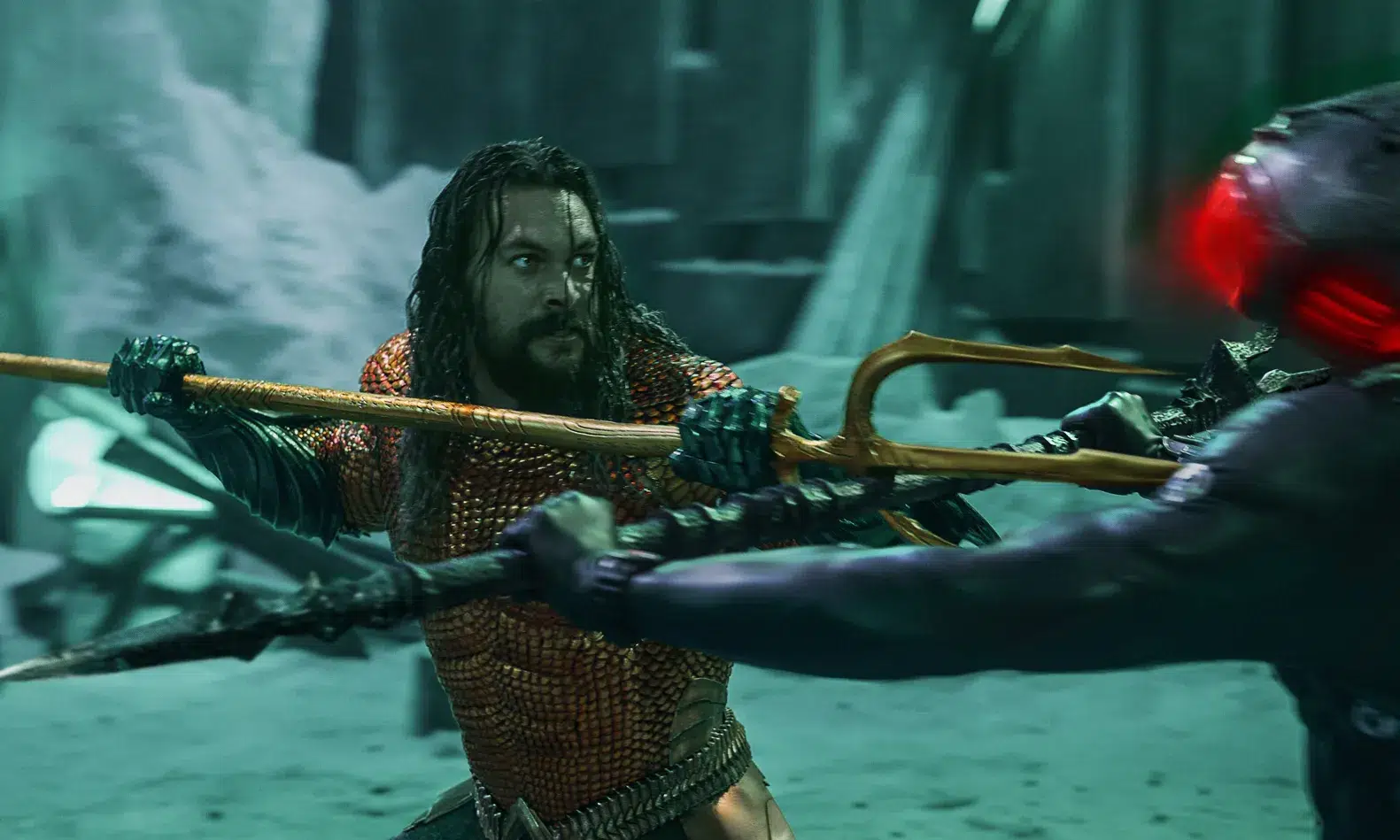
It is precisely because of the meticulous handling of these details that the whole film is very smooth, satisfying, exhilarating, and relieving to watch.
02
With a five-year gap between "Aquaman and the Lost Kingdom" and its previous work, the film starts off by using a monologue from Aquaman Arthur Curry (Jason Momoa) to explain his current situation and recap the story and characters.
The previous film told the story of Arthur, who is of mixed human and Atlantean blood, having to face the test of being born as the King, with the core theme being the hero's journey. "Aquaman and the Lost Kingdom" continues the arc of character growth and shifts the focus from the individual to the family. Arthur must face the new responsibilities that come with his new identity.
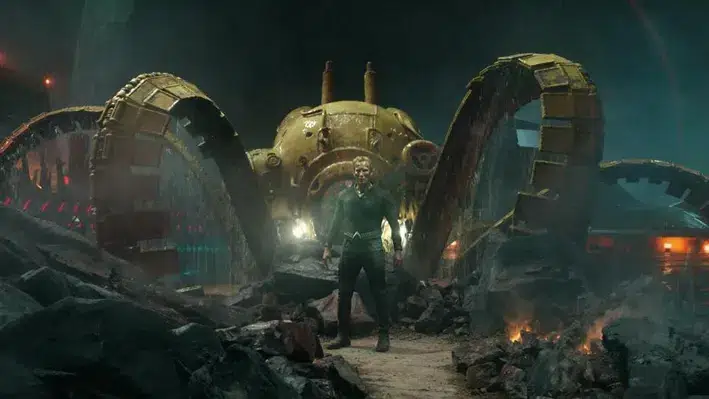
At this point, James Wan cleverly narrows the gap between the superhero and the ordinary audience. He equates Arthur's inner world with that of an ordinary middle-aged man. Arthur feels constrained and frustrated at work, and he is overwhelmed by the arrival of his newborn baby at home. Although he doesn't have the specific worries of a typical person, such as mortgage or car loans, his busy state of balancing work and family and his constant desire to vent his frustrations resonate with ordinary people.
Since Jason Momoa let loose and played a braided-haired villain in "Fast X", he has become more relaxed in front of the camera. Arthur's behavior of striking up conversations with anyone he meets has made him an adorable social bull.
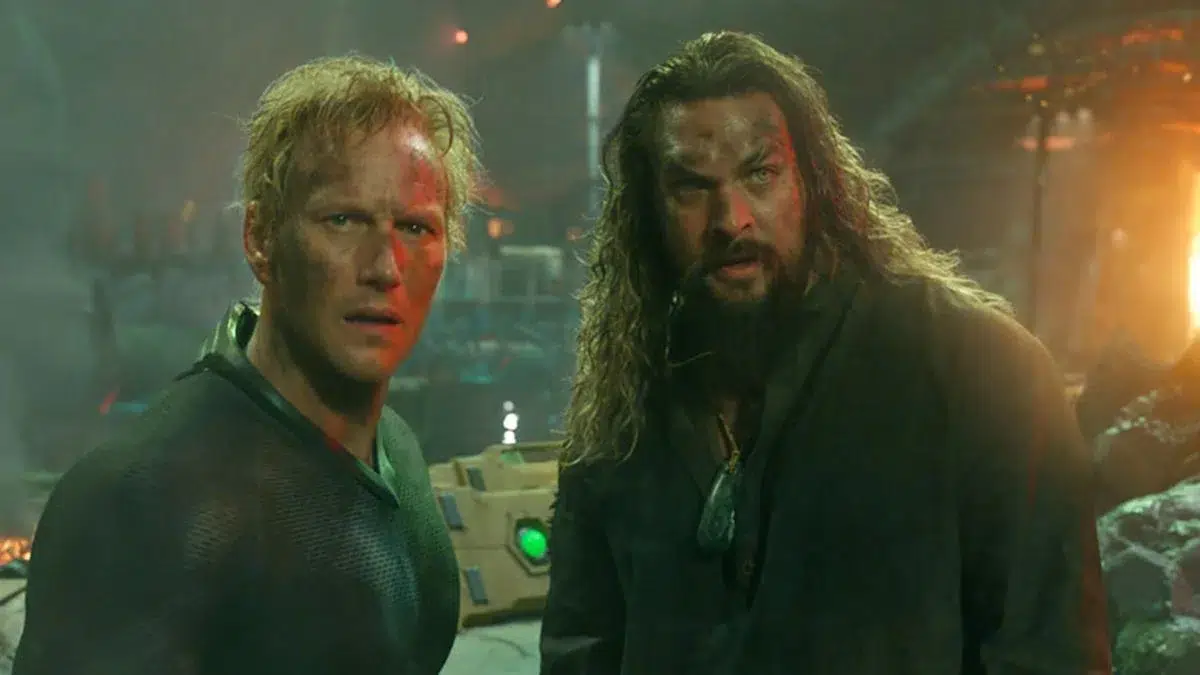
In a specific instance, when Arthur stands up against a powerful enemy to rescue his once-ambitious brother Orm (played by Patrick Wilson), it creates a classic dynamic between an extroverted person and an introverted person. Arthur cleverly outsmarts his brother, transforming the main antagonist from the previous film into a gullible and easily deceived character. The close bond between the two brothers adds humor to the scenes, consistently entertaining the audience.
03
If there is anything unconventional about this film, it is the daring decision to bring back the villainous character Black Manta (played by Yahya Abdul-Mateen II) from the previous film. Generally, superhero movies tend to avoid using the same villains in a series of films. Audiences expect superheroes to fight different adversaries, so why would the second film continue with the same villain?
Director James Wan, however, utilized a characteristic of DC villains. Unlike Marvel villains who are often individually powerful and require a team of superheroes to confront them, DC villains often have less personal power compared to superheroes. As a result, they rely on their cunning, trickery, and manipulation, setting traps or leveraging the power of others to put the superheroes in danger. The Joker in the “Batman” series is a prime example of this.
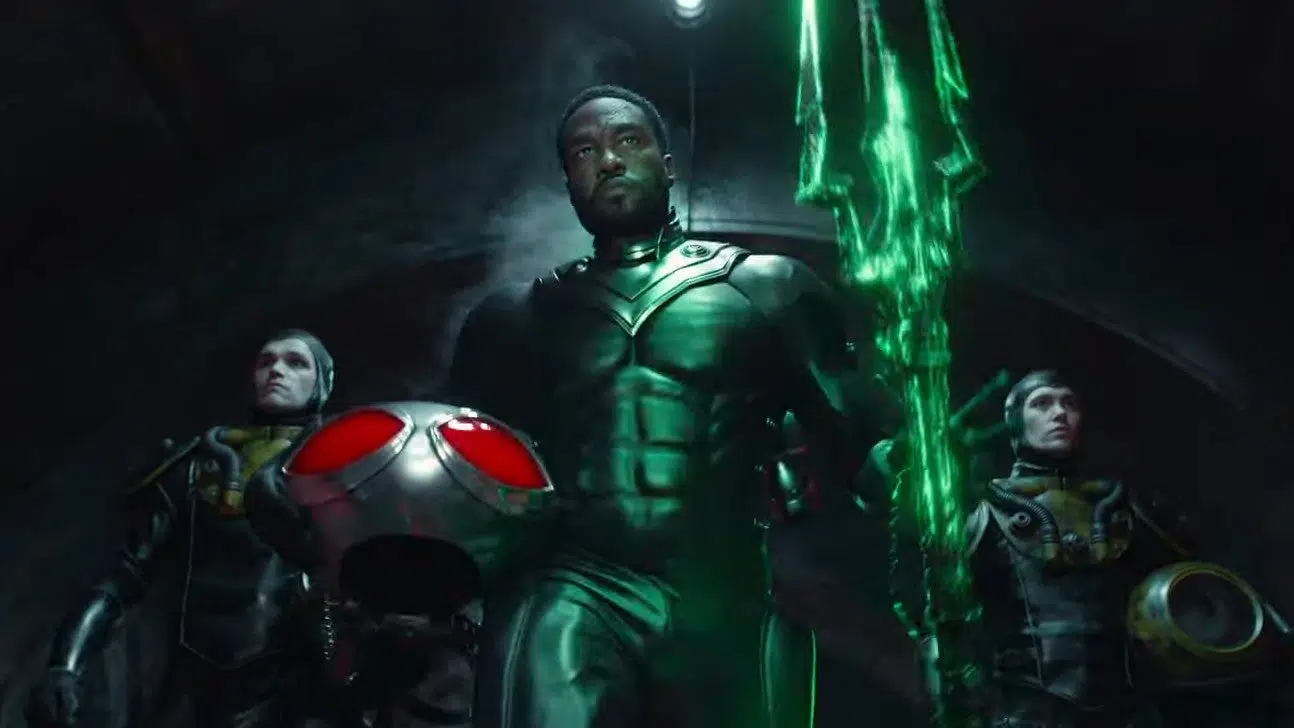
In “Aquaman”, Black Manta has already been defeated, but in “Aquaman and the Lost Kingdom”, he must embark on a path of revenge characteristic of DC villains. So when audiences watch “Aquaman and the Lost Kingdom”, the role of the antagonist undergoes a transition. Initially, it appears to be Black Manta, but once he completes his disruptive mission, the true, most threatening villain to the protagonists is revealed.
04
“Aquaman” achieved tremendous box office success worldwide with $1.154 billion. One of the reasons for its success is the visually stunning underwater world it presents, which brings a fresh visual experience. Director James Wan's visual imagination is not only imaginative but also cohesive. The same words from the script, when transformed into visuals by him, often bring the audience's viewing experience to next level.
Although “Avatar: The Way of Water” introduced even more advanced underwater visuals, “Aquaman and the Lost Kingdom” offers a richness, playfulness and homage in terms of its forms, which brings surprises to the audience.
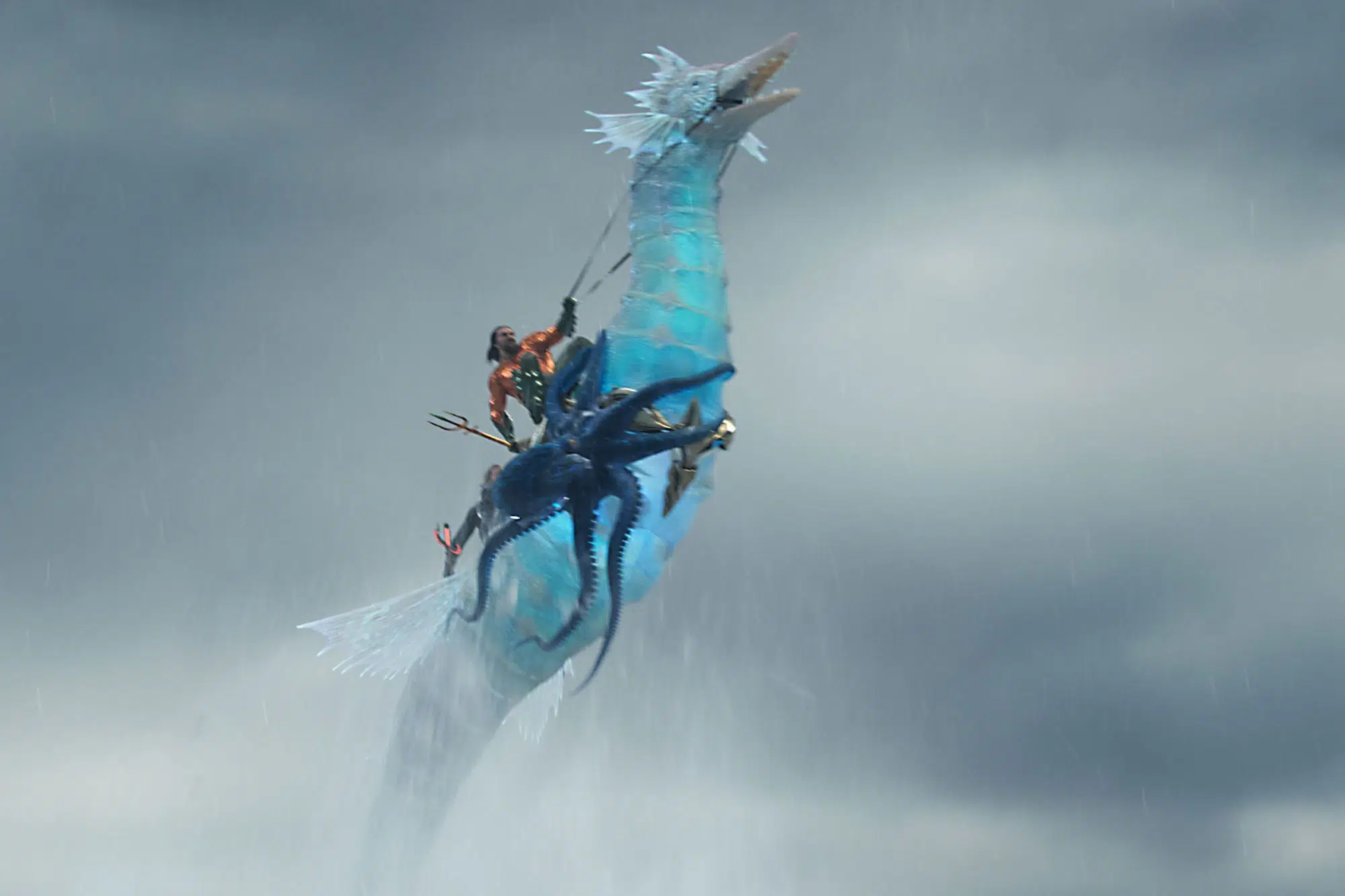
“Aquaman and the Lost Kingdom” expands its settings beyond the underwater realm to include icy tundras, deserts and mutated jungles on land. Especially in the scenes set in the mutated jungle, it feels as if Arthur and Orm, the two main characters, have fallen into Alice's rabbit hole, creating a contrast that adds to the film's charm.
05
“Aquaman and the Lost Kingdom” incorporates elements of amusement commonly found in superhero films and family-friendly movies. For example, superheroes often have various types of enhanced suits. In this film, Aquaman dons a new suit that brings new functionalities and allows for the design of new styles of action sequences.
Another element is the pet, which is often seen in family-friendly films. It is also introduced in an unexpected way in “Aquaman and the Lost Kingdom”. When Aquaman goes to rescue his brother from prison, he brings along an octopus named Topo. This octopus appears in the role of a reconnaissance soldier, showcasing various abilities such as stealth, infiltration and obstruction during the prison rescue mission.
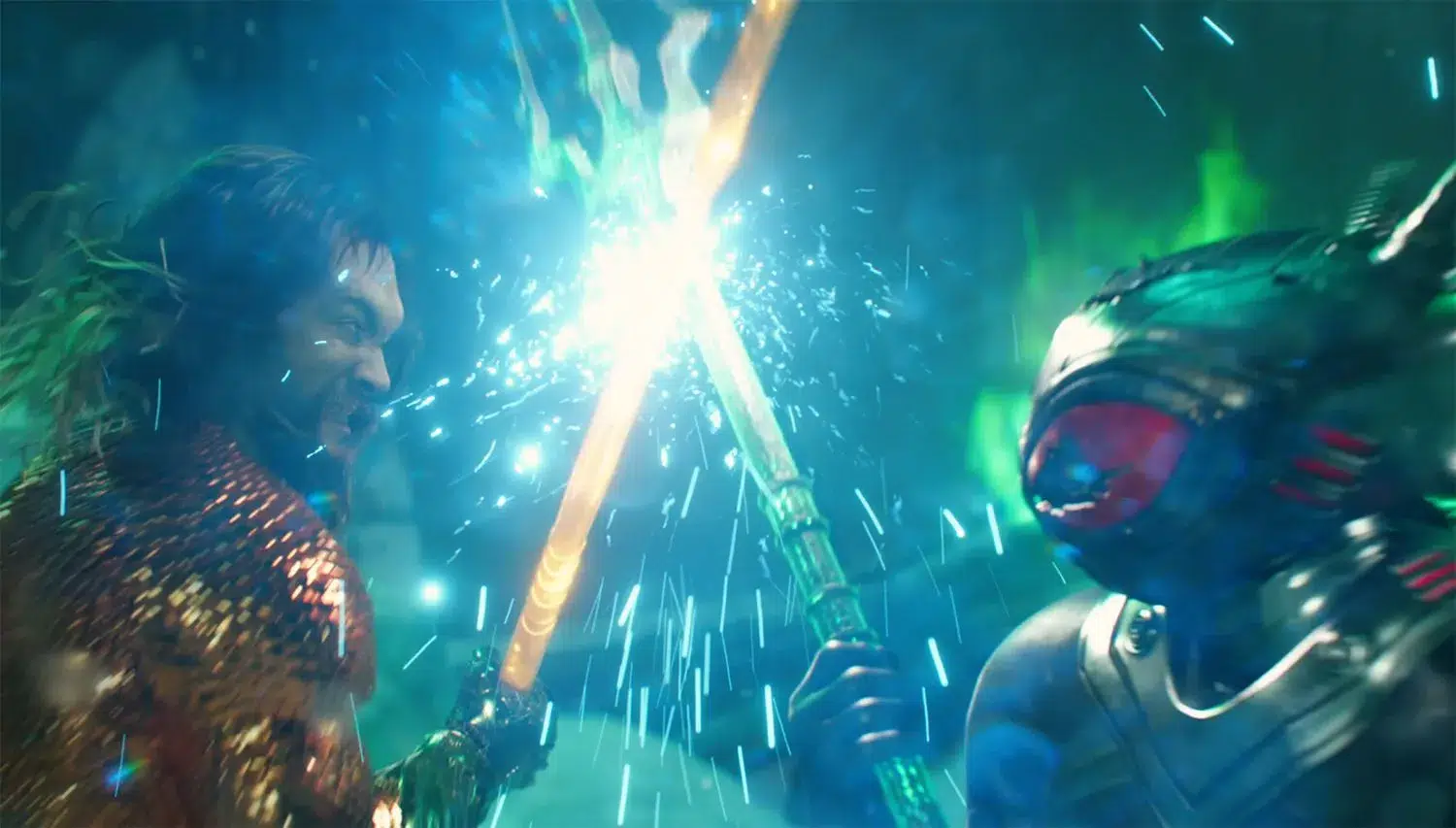
However, as the story unfolds, the audience realizes that the role of this character is not that of a "comrade" but a "pet". In subsequent scenes, Topo often becomes a tool to control the rhythm of the battles, preventing the audience from experiencing aesthetic fatigue.
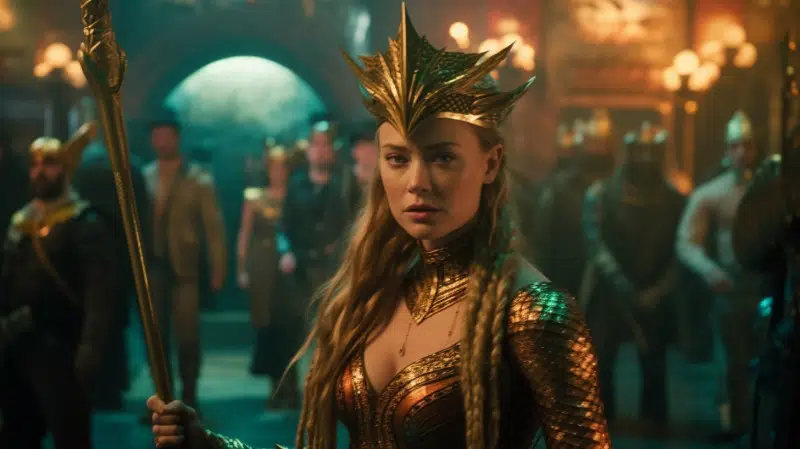
In terms of the action sequences, director James Wan avoids relying solely on brute strength. Arthur, Mera (played by Amber Heard), and their son, Young Arthur, have special abilities (such as communicating with fish and controlling water currents) that are initially showcased through mischievous acts in their daily lives. In the later battles, these special abilities play a crucial role in turning the tide.
Arthur's ingenious solution to neutralize the enemy's ultrasonic cannon creates an exceptionally visually striking and unforgettable moment, ultimately becoming one of the film's standout highlights.
06
Watching a genre film bears resemblance to observing a sports competition. Despite consistent rules and familiar players, it still evokes anticipation. Similar to athletes showcasing remarkable performances within defined rules, it exhilarates and excites the audience.
"Aquaman and the Lost Kingdom" fits into this category of entertainment. It might not surpass your expectations, but it certainly meets your core anticipations. As the DC Extended Universe draws to a close, it resembles bidding farewell to a well-known sports star, prompting a natural sense of nostalgia and perhaps a touch of regret.





Share your thoughts!
Be the first to start the conversation.