
Sho Miyake's previous work, “And Your Bird Can Sing”, received positive acclaim in East Asia but remained relatively unknown at Western film festivals compared to Ryûsuke Hamaguchi. While Hamaguchi is celebrated for his intricate, psychologically layered narratives with hidden subtexts and unexpected twists, Miyake has consistently focused on emotional cinematic techniques to portray characters. He emphasizes capturing the essence of characters through his camera rather than creating dramatic, climactic events.
Miyake's unique film style can be challenging for Western audiences unfamiliar with East Asian culture, which contributed to the lukewarm reception of “Small, Slow but Steady” at Western film festivals. Cultural barriers hindered the film's recognition in the Western film industry. However, it was highly acclaimed within the Japanese film industry, earning the top spot on Kinema Junpo's list of the best films of 2022, highlighting Miyake's esteemed reputation in Japan.
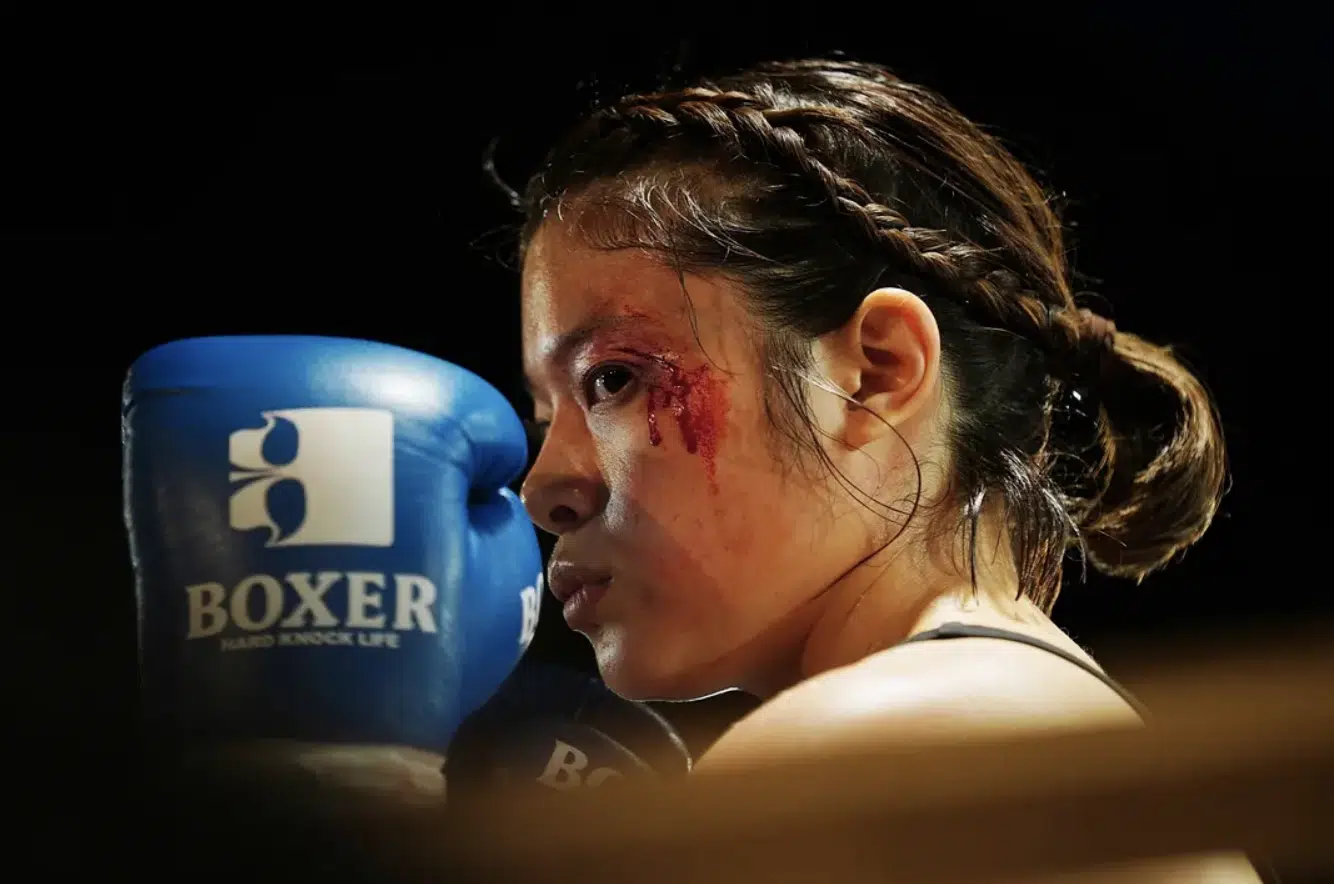
“Small, Slow but Steady” is based on the autobiography of Japanese hearing-impaired female boxer Keiko. While the original book showcased her tenacious spirit in the face of adversity, Miyake infused the film with a personal, somber quality unique to his style. The protagonist, Keiko, has suffered from severe hearing impairments since birth, which makes verbal communication impossible. As a child, she was bullied for her condition and grew up with violent tendencies. As an adult, her hearing and expressive barriers further isolated her from society. Boxing became both an outlet for her loneliness and frustration and a means of holding onto hope.
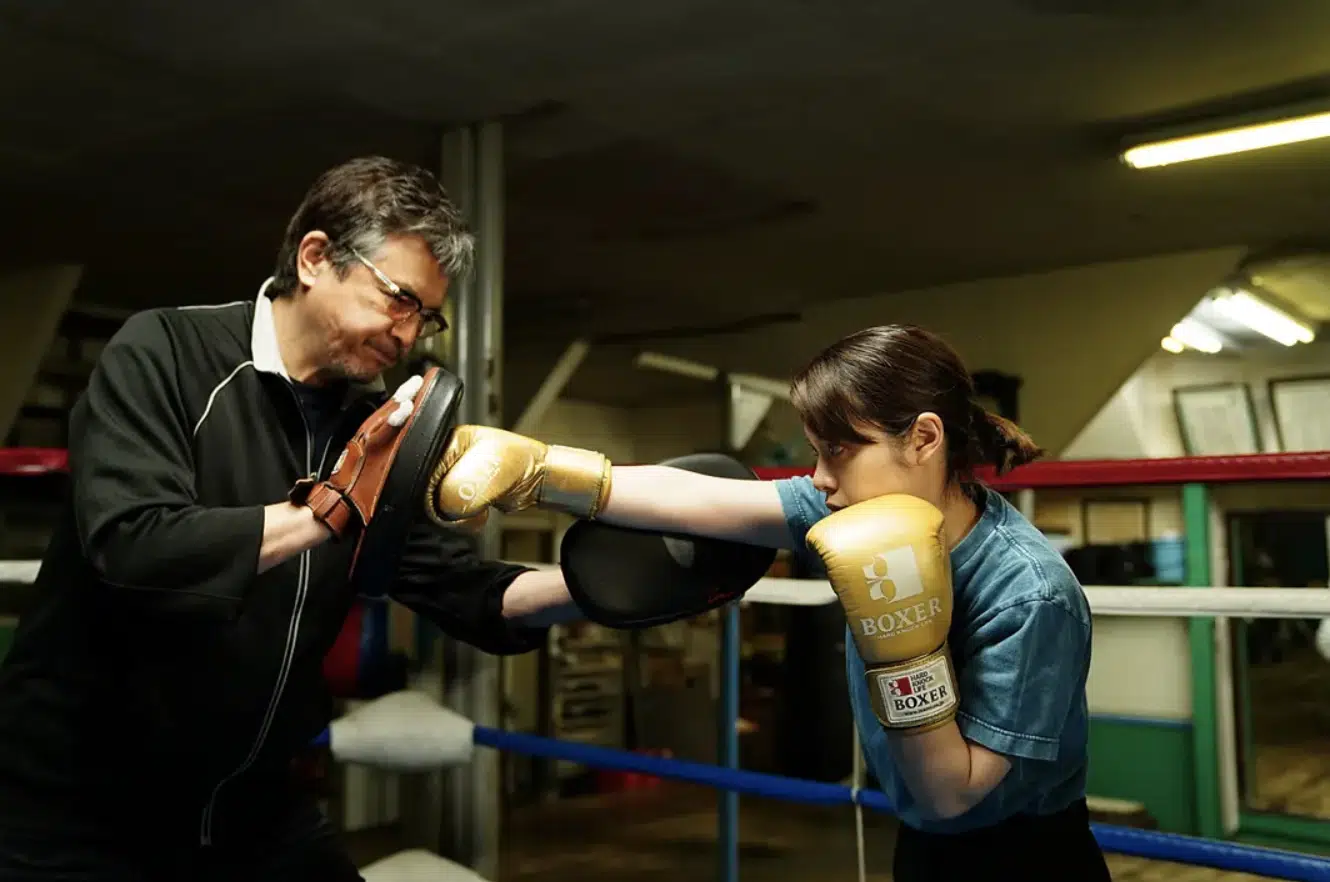
In “Small, Slow but Steady”, the theme of "refusing to admit defeat" from the original autobiography transforms into an internal struggle for the protagonist. The film opens in silence, depicting Keiko's life and training in a quiet world. She constantly faces inconveniences due to her auditory and expressive barriers: she can't communicate with convenience store clerks, hear the referee's countdown or her coach's instructions in the boxing ring, react to pedestrians' scoldings, or understand others due to pandemic masks. Despite winning matches, she ends up bruised and misunderstood, further isolating her.
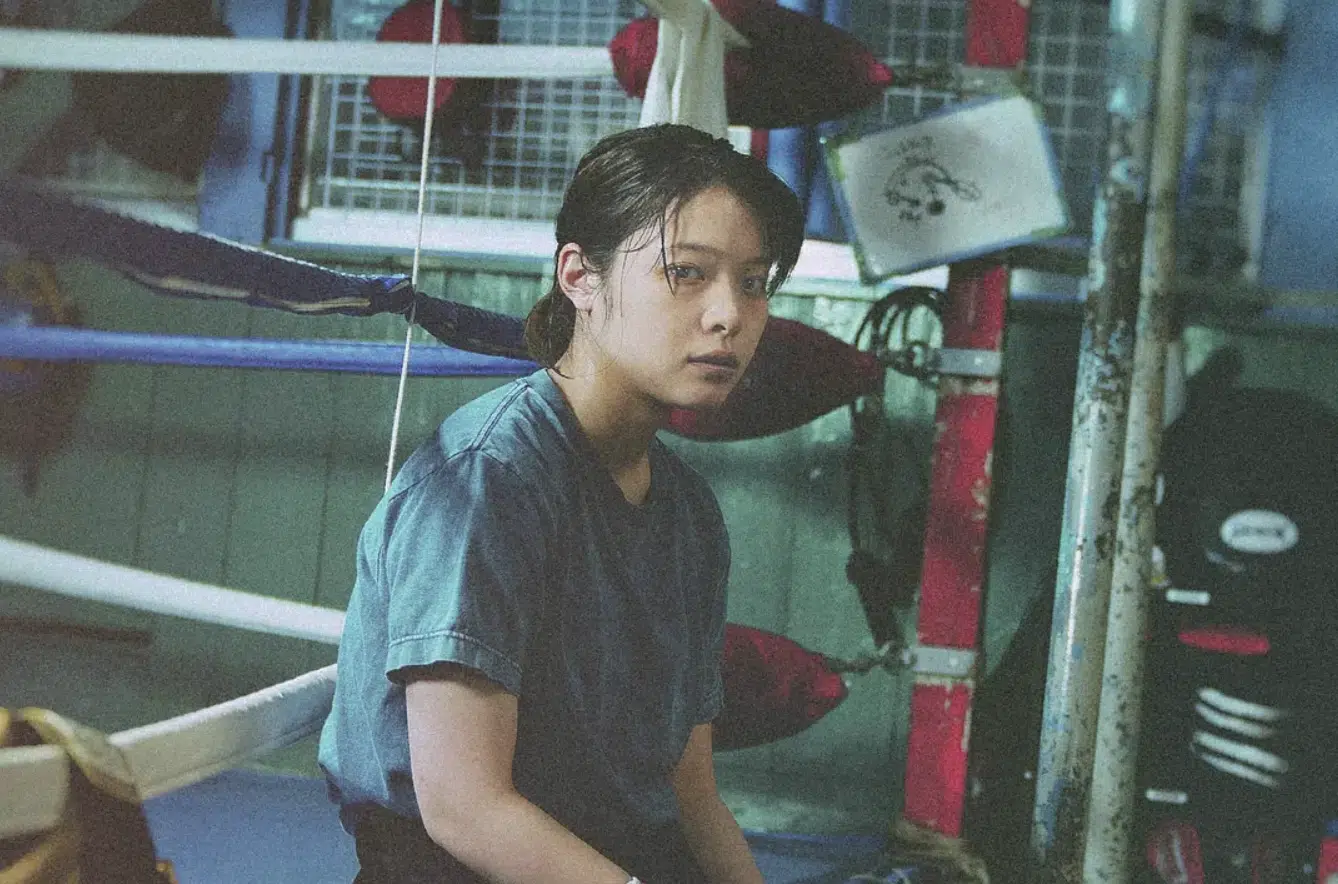
The film portrays glimpses of relaxation and joy in Keiko's moments of solitude, but society’s silent void creates a chasm separating her from the world. She feels exhausted and indifferent, questioning the significance of boxing and fearing that her impairment burdens her coach and the club. Her familiar boxing club, poorly managed and with an ailing director, collapses, leaving her feeling like a small animal driven out of its protected environment.
“Small, Slow but Steady” is a film that, while summarizable in a few sentences, relies heavily on the subtle facial expressions, postures, and movements of its characters. Actress Yukino Kishii masterfully conveys Keiko's internal struggles through nuanced body language. For example, when Keiko is stopped by a police officer, her trembling hands extend forward, illustrating her insecurity about being misunderstood due to her inability to speak. Conversely, in the boxing ring, she erupts in rage and charges at her opponent after being knocked down, showcasing a starkly contrasting side of her character.
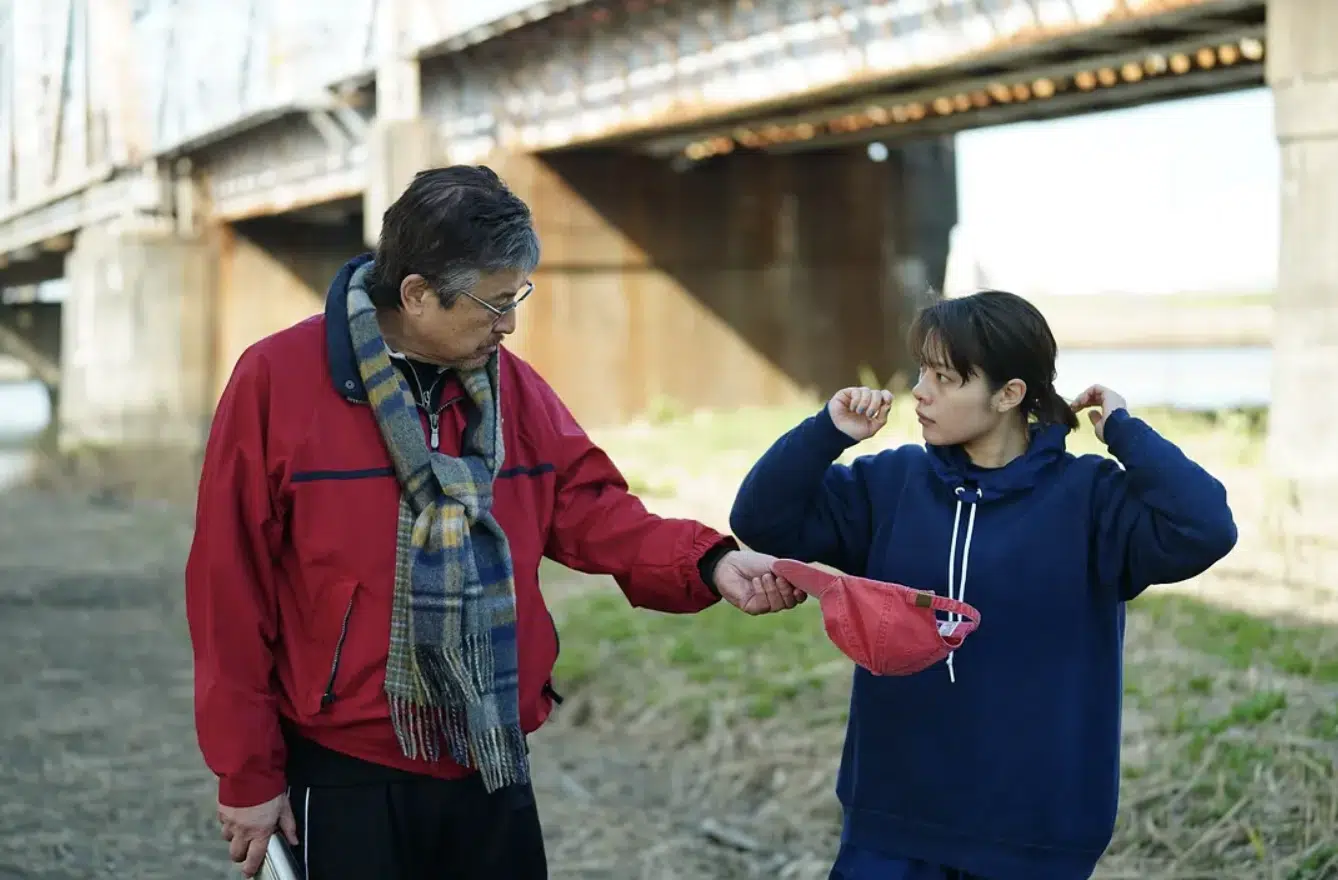
The film reveals the complex and multifaceted nature of its protagonist by stripping away her voice, allowing her inner self to emerge through nuanced performance. One of the most touching scenes occurs when Keiko delivers her retirement letter to her coach and sees him engrossed in studying her fight videos. She realizes that her deafness is not the burden to others; rather, her retreat and surrender disappoint those who care about her. The transformation from despair to hope is poignantly captured through Miyake's restrained camera work and Kishii's emotive gestures.
Sho Miyake's debut feature, “Good for Nothing”, employed experimental techniques to depict youthful vitality in Hokkaido’s snowy landscape. In “Small, Slow but Steady”, Miyake finds a tangible motivation for Keiko's flickering life force: boxing. The film contrasts her silent appearance with her fierce internal strength. At the end, despite being knocked down in the ring, Keiko receives a respectful bow from her opponent and continues to train and run, embodying resilience and hope. This portrait of a movie character is another testament to Miyake’s ability to capture the profound depths of his characters.





Share your thoughts!
Be the first to start the conversation.