
Caught the trailer for Moana 2 yet? I'm all set to hit the cinema with my pals. Can't believe we've been waiting for 8 years! The sequel to Moana's story is finally here. I'm thrilled that my favorite Disney Princess, Moana, is setting off on a new journey.
For me, Moana stands out from the crowd of Disney princesses. She's the only one without a romantic plotline in the series, and that's really something. To put this in context, let's take a quick trip down memory lane and see how Disney princesses have evolved over the past century.
Disney's got 14 princesses, and over the course of 80 years, Disney's been tweaking their characters to gel with the aesthetic preferences of different eras and societal contexts.
First Generation 1937-1959: Upholding Beauty and Diligence, Awaiting the Prince's Arrival
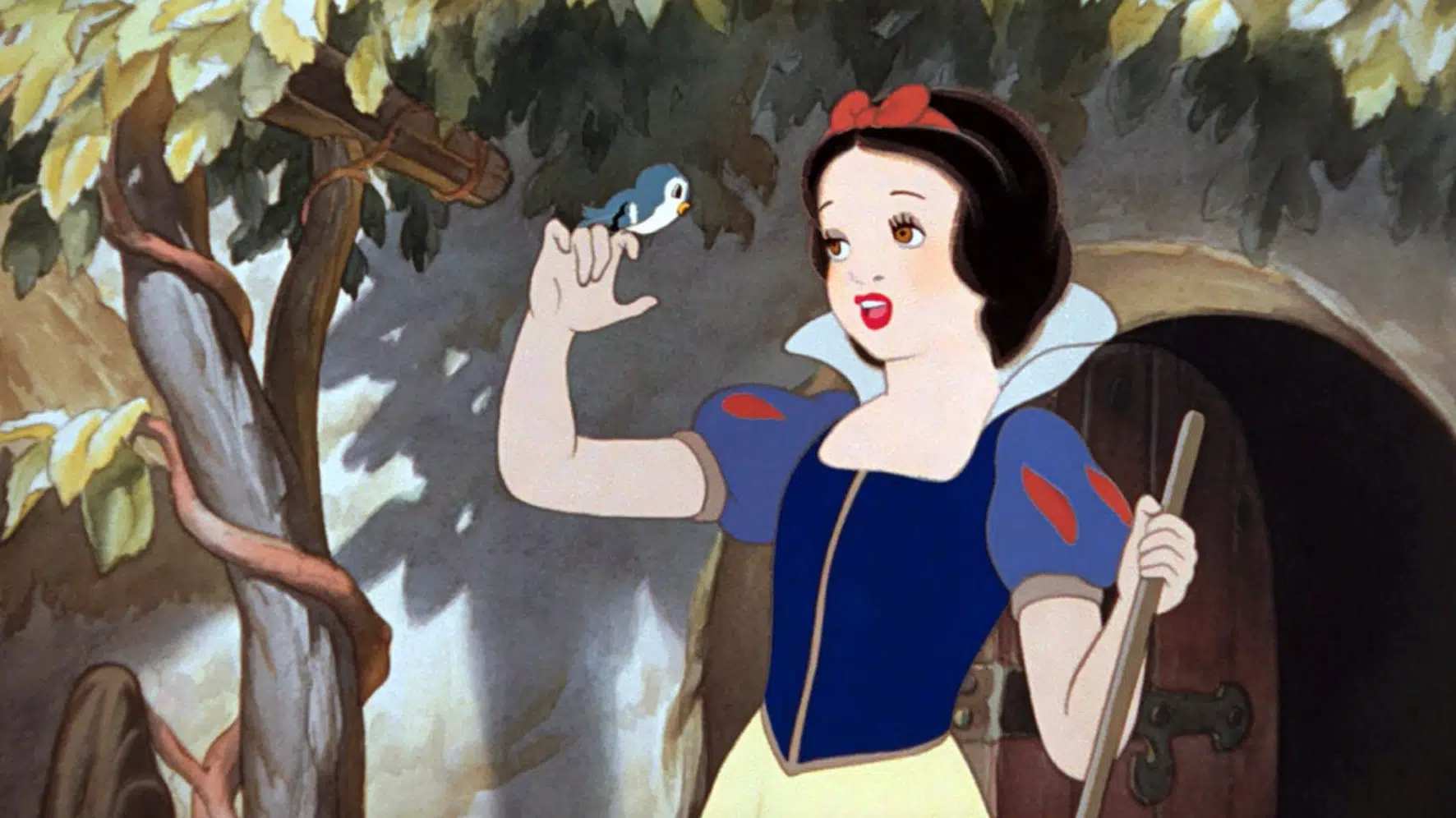
The Disney princess series began with the company's first color animation, Snow White and Seven Dewarfs, released in 1937. Snow White is depicted as noble, beautiful, diligent, and kind. Fleeing her evil stepmother, she finds refuge in the woods and tidies the home of seven dwarfs who are unfamiliar with housework. This character reflects the ideal woman of the United States in the 1930s, and possibly of the world. The impact of Snow White on young girls globally is significant. For example, my parents named me Snow White, and I've always identified with her, aspiring to her qualities: beauty, kindness, hard work, and readiness to do housework for others.
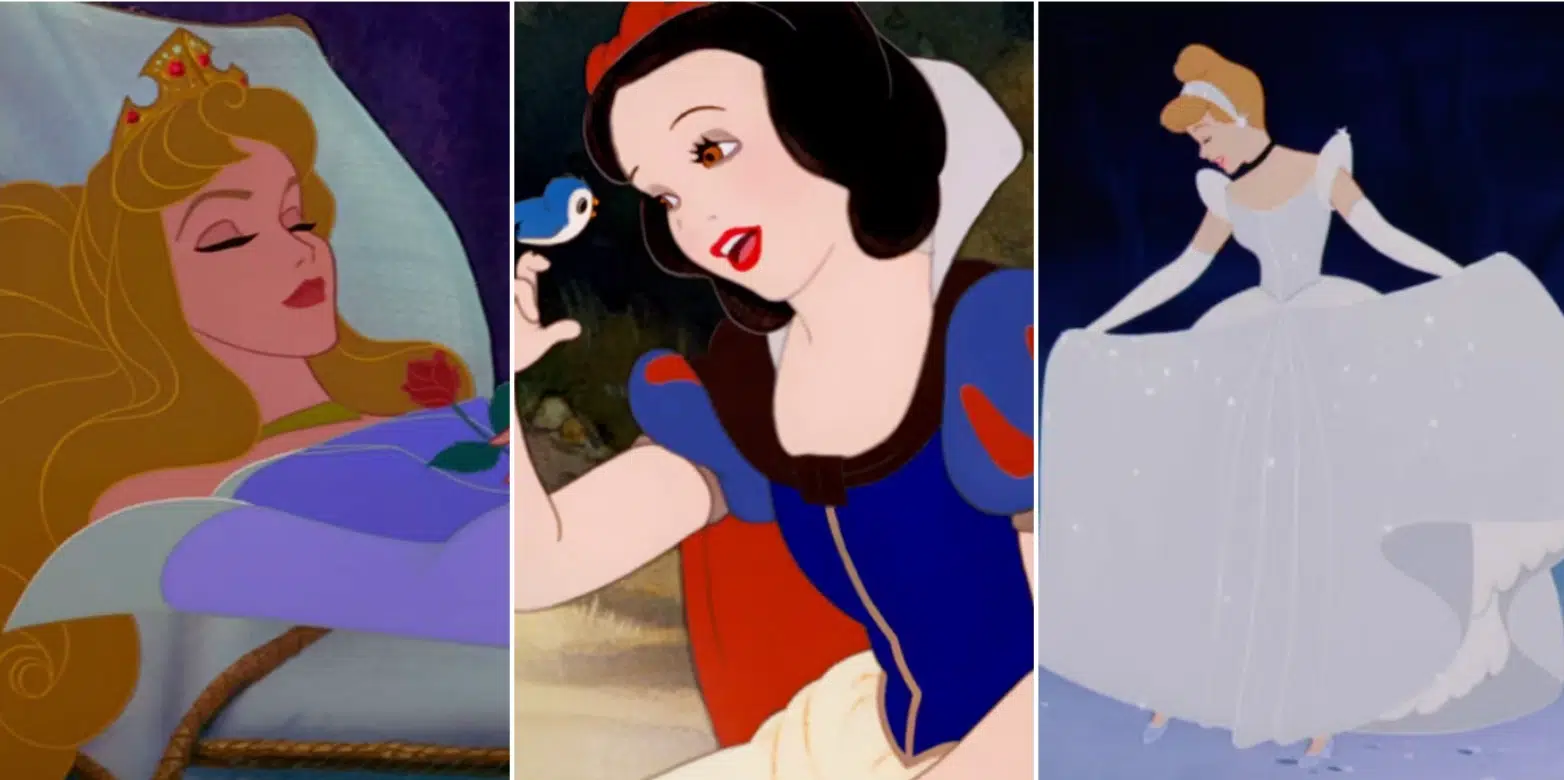
Over the next two decades, Disney released two more princess animations, Cinderella (1950), and Sleeping Beauty (1959). The narratives are similar to “Snow White”: the young, beautiful protagonist is tormented by an evil woman, but her kindness and diligence eventually attract a prince who rescues her. The princesses' happiness is derived from a beautiful dress and a handsome prince. In "Sleeping Beauty," the princess's agency is almost entirely absent: all she does is waiting for a kiss from a stranger she's never met to achieve happiness.
Second Generation (1989-1991): Finally, princesses have lives of their own.
After nearly 30 years of hiatus, Disney returned to creating princess animations. The societal thinking had significantly shifted from the conservative 1950s. Influenced by the three waves of feminism in the West, societal expectations for women had moved beyond only beauty, kindness, or passivity in waiting for a prince. Women desired their own lives, including their careers, hobbies, and control over love.
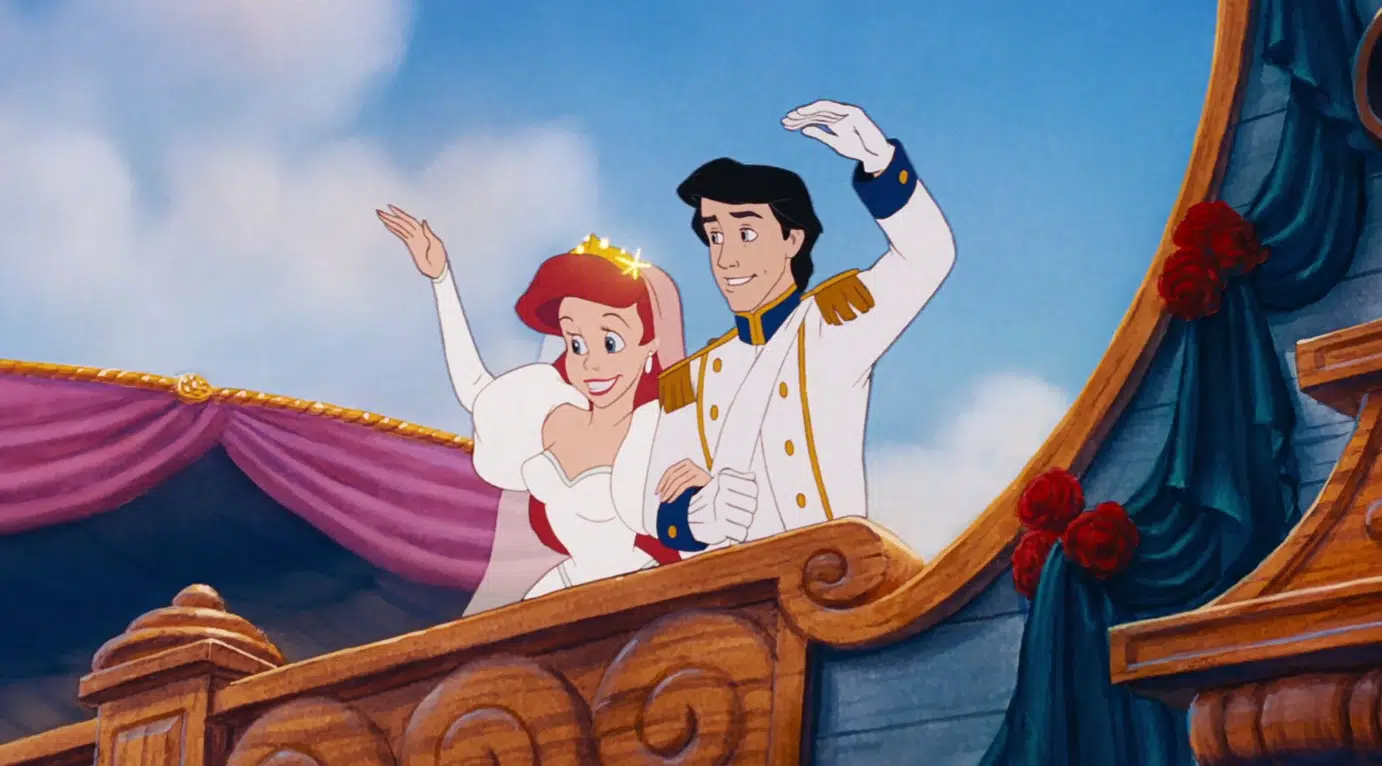
As a result, the female protagonists in Disney princess movies of this period took initiative. Ariel from The Little Mermaid (1989) is no longer the pitiful girl who sacrifices herself for the prince as depicted in the original fairy tale. She loves singing and yearns for the world above the sea, leading her to trade with the witch to come to the surface. Belle from Beauty and the Beast (1991) comes across as an intelligent college girl who loves reading and isn't afraid of darkness or danger.
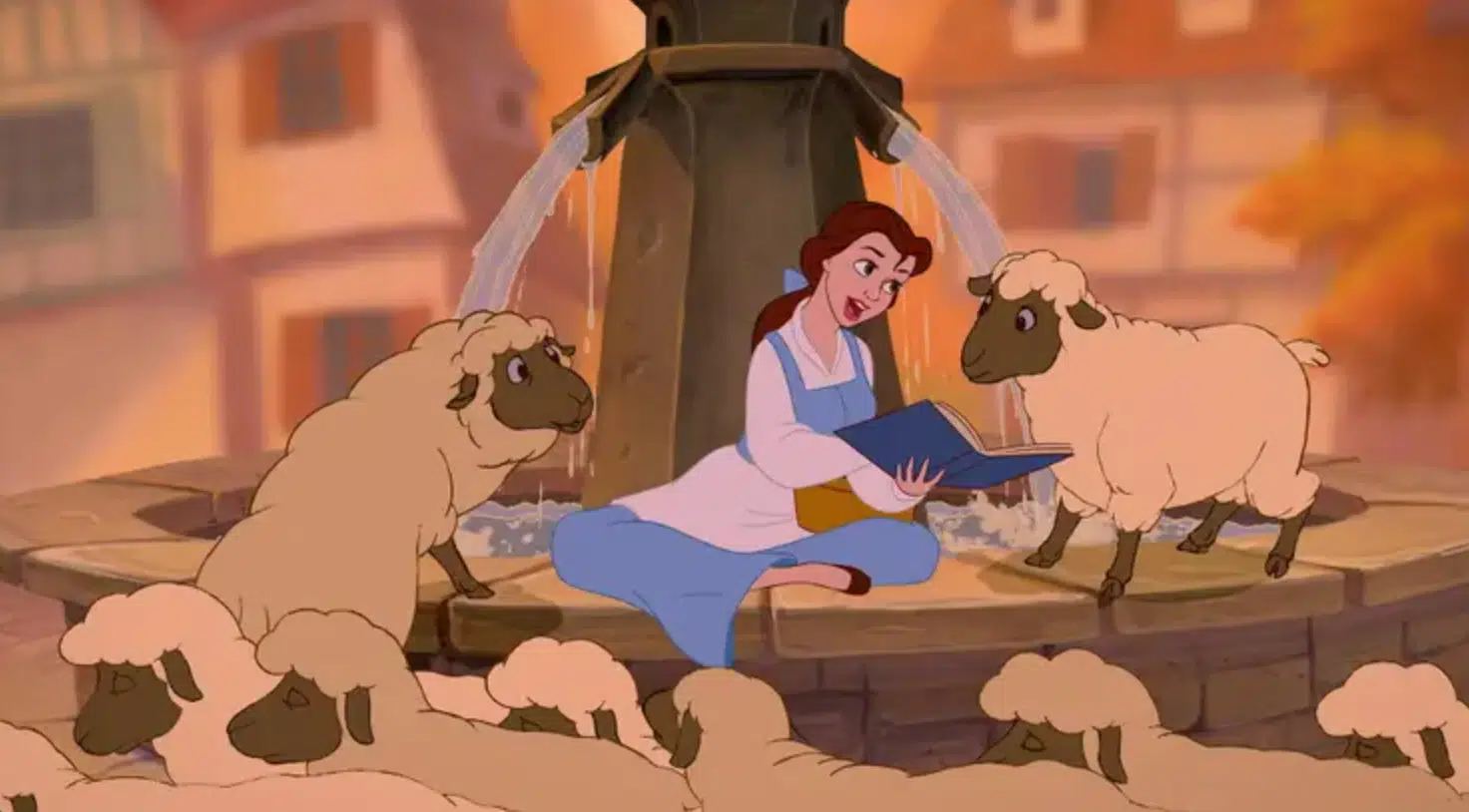
However, both Ariel and Belle ultimately end up with a man. The ending is always "and they lived happily ever after". Their hobbies are harmless, lacking any destructive or dangerous elements, and they have no ambitions for power. Their world, though seemingly expanded, remains within the confines of marriage. Whether it's the prince's palace or the beast's castle, the settings might appear luxurious, but from today's perspective, they are still spaces derived from men. The female protagonist must possess many impressive qualities to enter such spaces. Marriage remains the end of the story and the final destination of the female protagonists' growth. This reflects the values of the 1990s: it is acceptable to indulge in youth and recklessness, but eventually, one has to settle into a stable and conservative life-getting married, owning a home, and having children.
Third Generation (1992-1998): Diverse Princesses with Greater Responsibilities and Ambitions
In 1992, Disney released the animated film Aladdin. Although Aladdin is the protagonist, the introduction of Princess Jasmine marked Disney's first non-white princess. This trend continued with Pocahontas (1995), set against Native American life, and Mulan (1998), set in China.
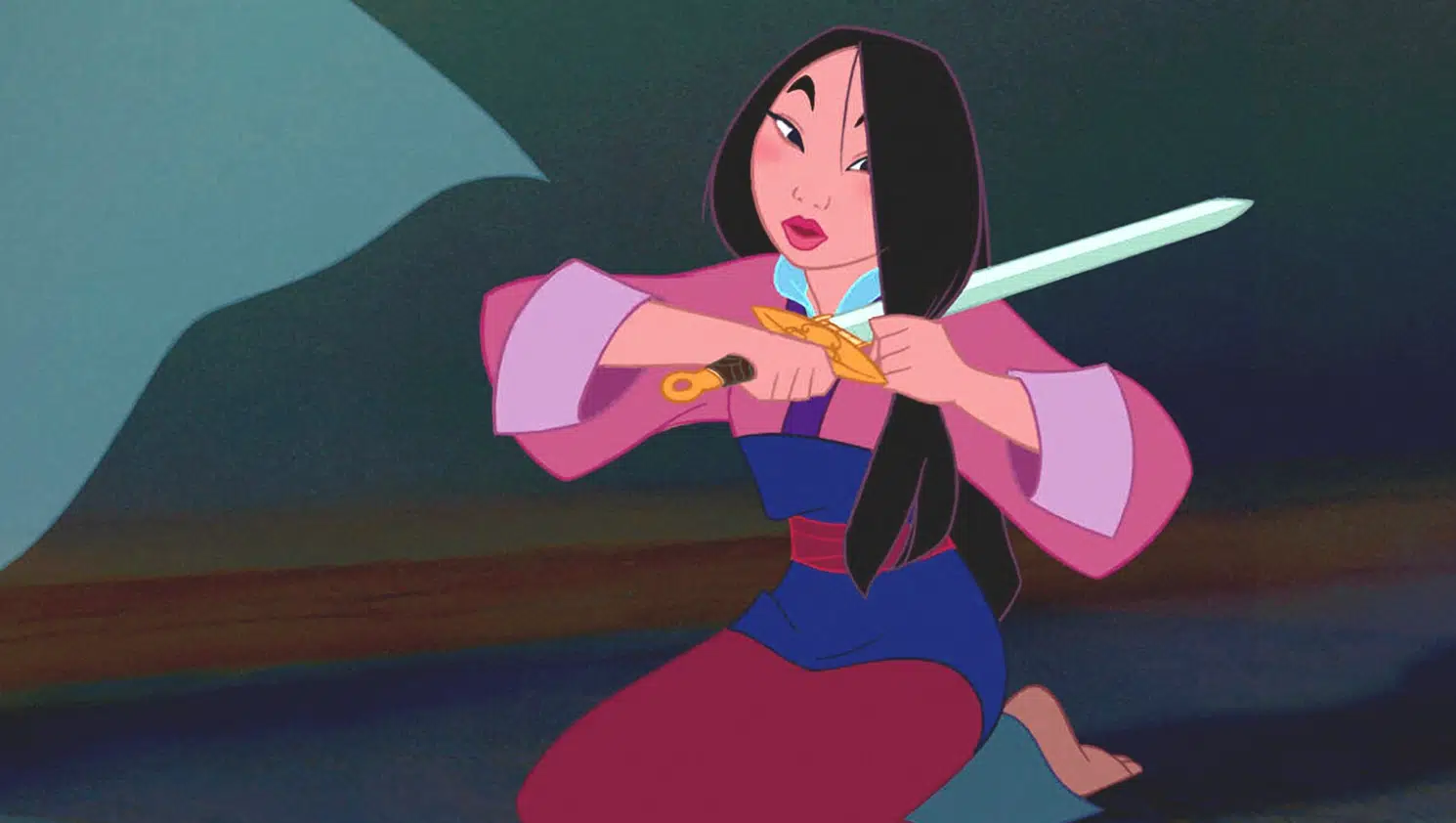
These animated films still incorporate love as a major theme, but the female leads take on more responsibility and their stories don't always end with a traditional "happily ever after". Princess Jasmine, as the king's sole daughter, symbolizes the kingdom's power. Pocahontas falls in love with Smith, but ultimately chooses to stay with her tribe. The peak of Mulan's story is her defeating the Xiongnu chieftain, earning the emperor's praise and returning home. Love isn't the most important thing to these princesses.
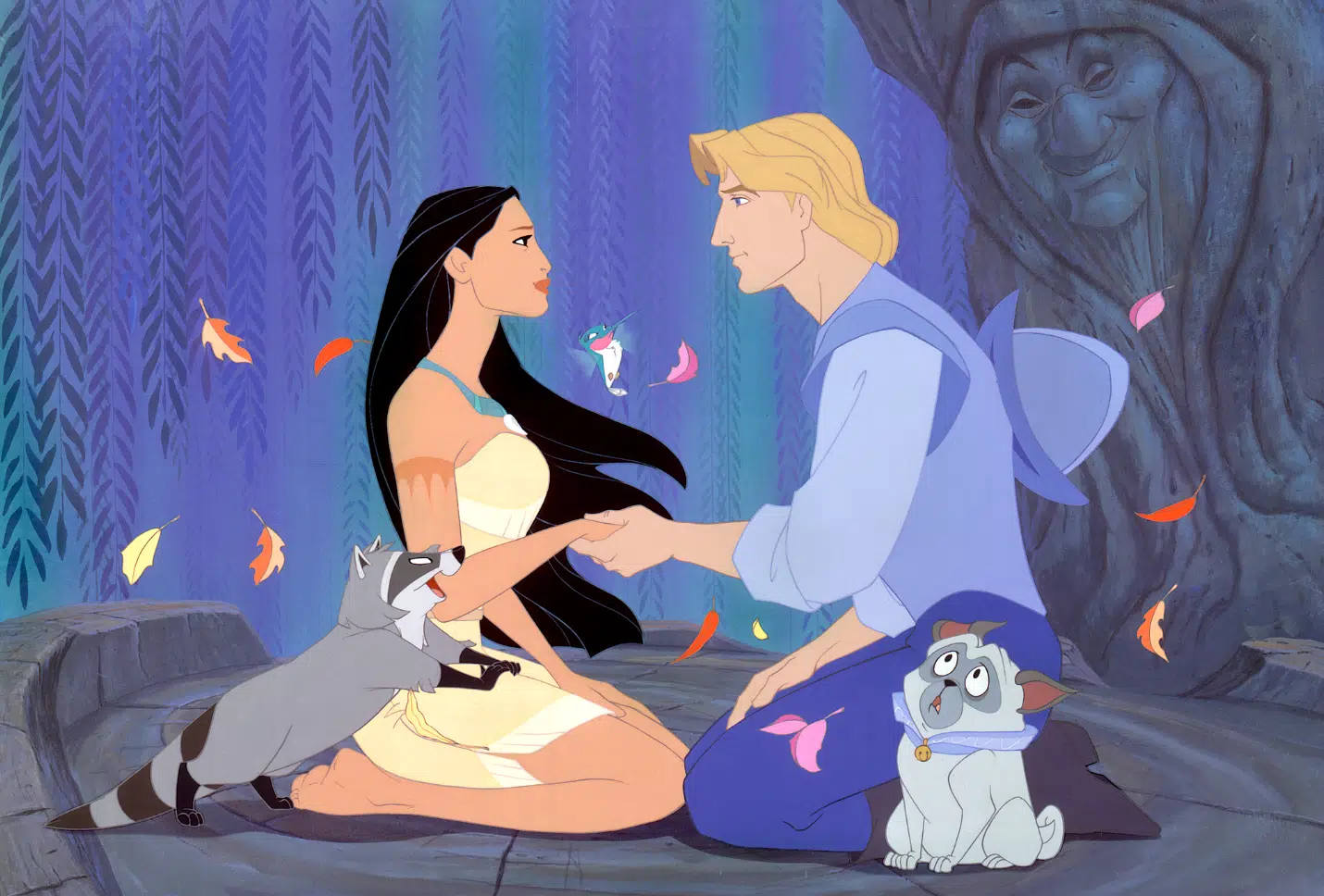
Despite these changes, the lead females remain under a large patriarchal system. The father figure and the state, as patriarchal representatives, are more visible and significant. Princess Jasmine's primary identity is the king's daughter, and her marriage is also about seeking justice for her father. Pocahontas, as the chief's daughter, must guide two civilizations towards peace and preserve her father's tribal culture. Mulan is the story of a girl protecting her father while showing loyalty to her monarch and country.
Fourth Generation (2009-Present): Uncompromising Princesses
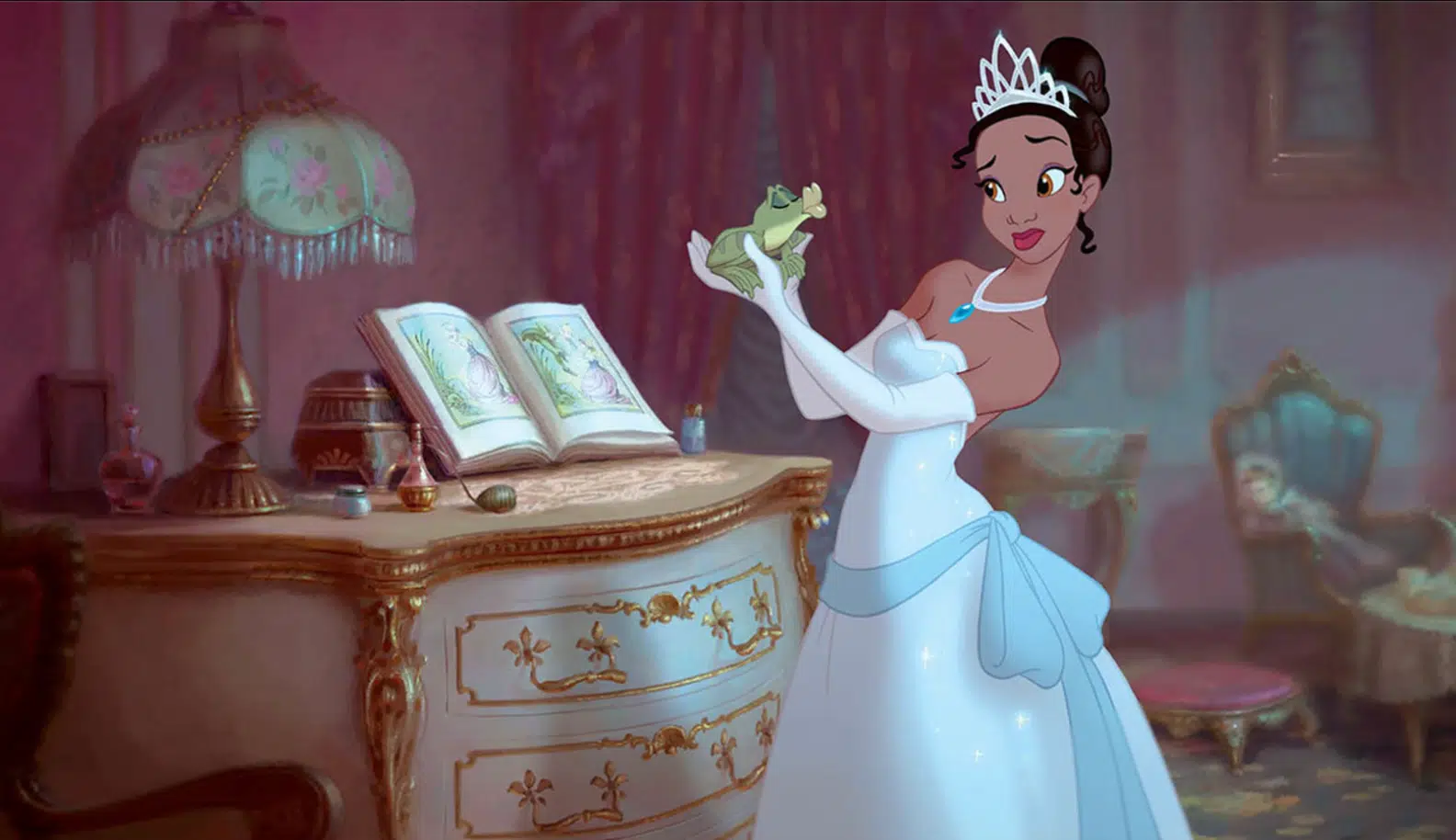
Disney's return to princess animated films in the new century was marked by the release of The Princess and the Frog in 2009.
Tiana, the protagonist of The Princess and the Frog, is a woman who would rather work hard, sometimes to the point of exhaustion, to achieve her dreams than take shortcuts or depend on men. Considering her father's wish is still a driving force behind her career pursuit, which is common among previous princesses, Tiana's hard work and dedication align her with Jasmine, Pocahontas, and Mulan.
During this period, princess films have transitioned to 3D animation. A noticeable change occurred in 2010's Tangled.
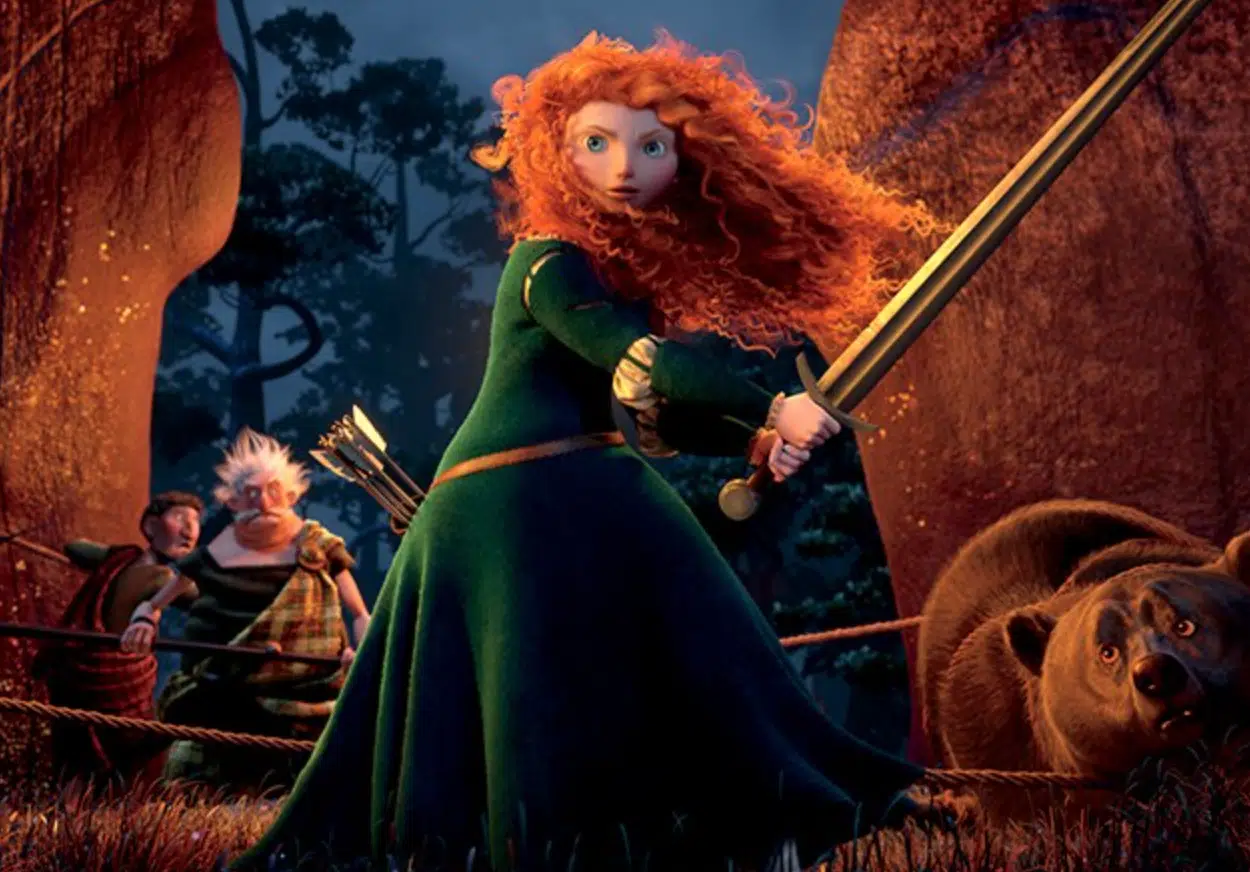
Rapunzel ventures out of her tower to explore the world and falls in love with a thief, not a prince. Furthermore, the film delves into the mother-daughter relationship, portraying the mother as a significant influence on the protagonist while the father's role diminishes. This shift is more pronounced in 2012's Brave, where determined Merida fights for her right to choose her husband. Her journey in the film is about mending her relationship with her mother, rather than finding love, although it still hints that she will eventually find it.
A year later, Disney released Frozen. Officially, Elsa and Anna are queens, but they are often grouped with the other princesses. Hence, Frozen is included in this Disney princess animated series. In the film, Anna has a clear romantic storyline, and eventually her "Prince Charming" turns out to be a villain. The bond between Elsa and Anna becomes the movie's emotional core. Its global success is largely due to its feminist narrative. The empowering theme song "Let It Go" continues to resonate with countless young girls a decade after the movie's release, reflecting the societal trend of women seeking empowerment and resisting male oppression in the Me Too era.
Moana
Finally, we have Moana (2016). Moana's character design bears similarities to Pocahontas from the 1995 film Pocahontas. Both are chiefs' daughters and represent non-mainstream cultures. However, unlike Pocahontas, Moana is more independent and rebellious.
She defies her father and tribe, ventures out to the sea alone, and embarks on her own adventure. There is no romantic subplot between her and Maui (I hope this continues in Moana 2, and Maui does not become a boyfriend-like character). She doesn't have any suitors lined up by her parents, so there's no need for her to rebel in the name of love or see through the "traditional prince" trope while looking for a soul mate. In this sense, Moana represents the first Disney princess in 80 years who doesn't need to be in any romantic relationship!
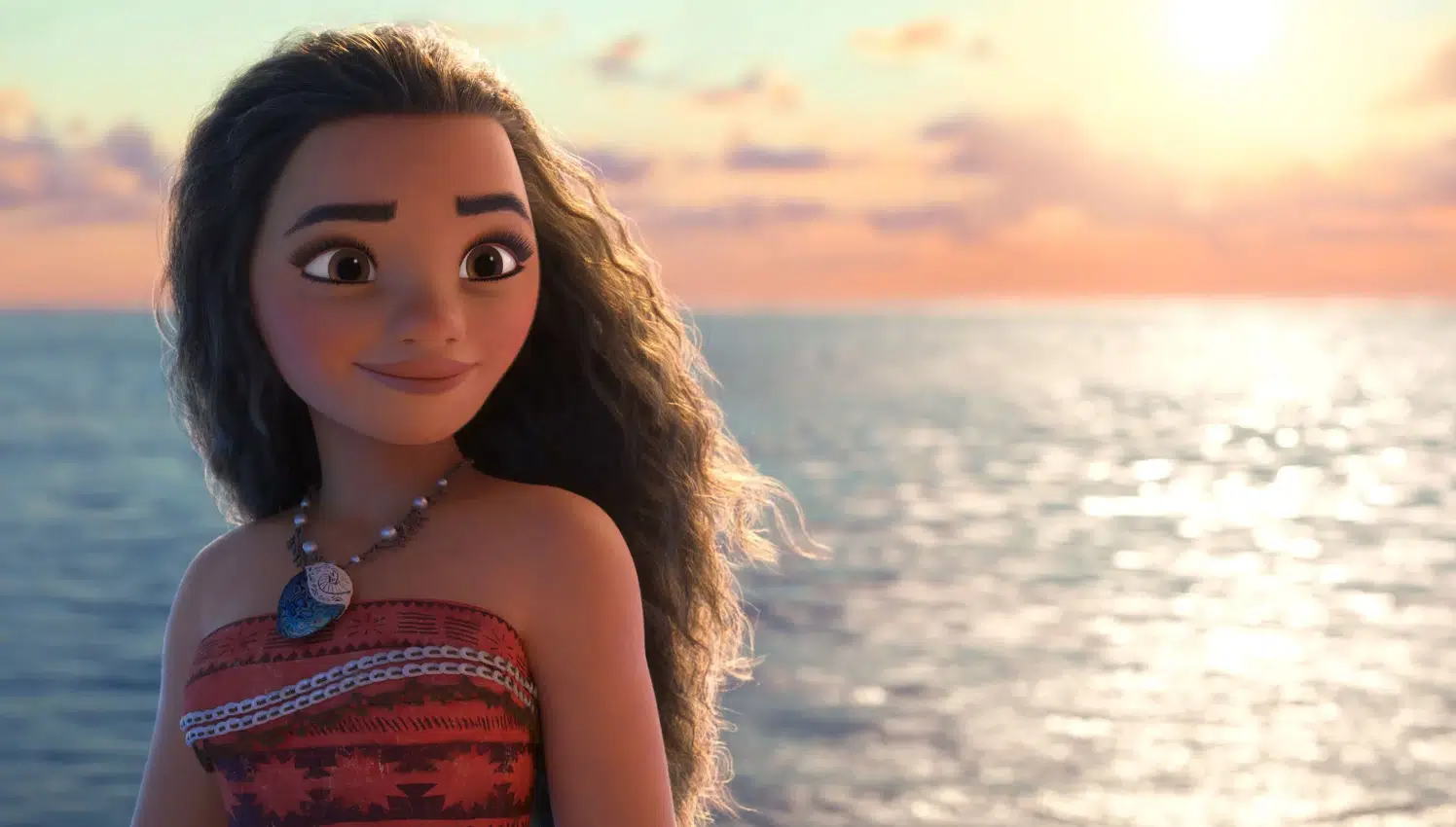
This trend continued with Raya and the Last Dragon (2021), where the protagonist, Raya, is also completely free from any marriage and love pressures.
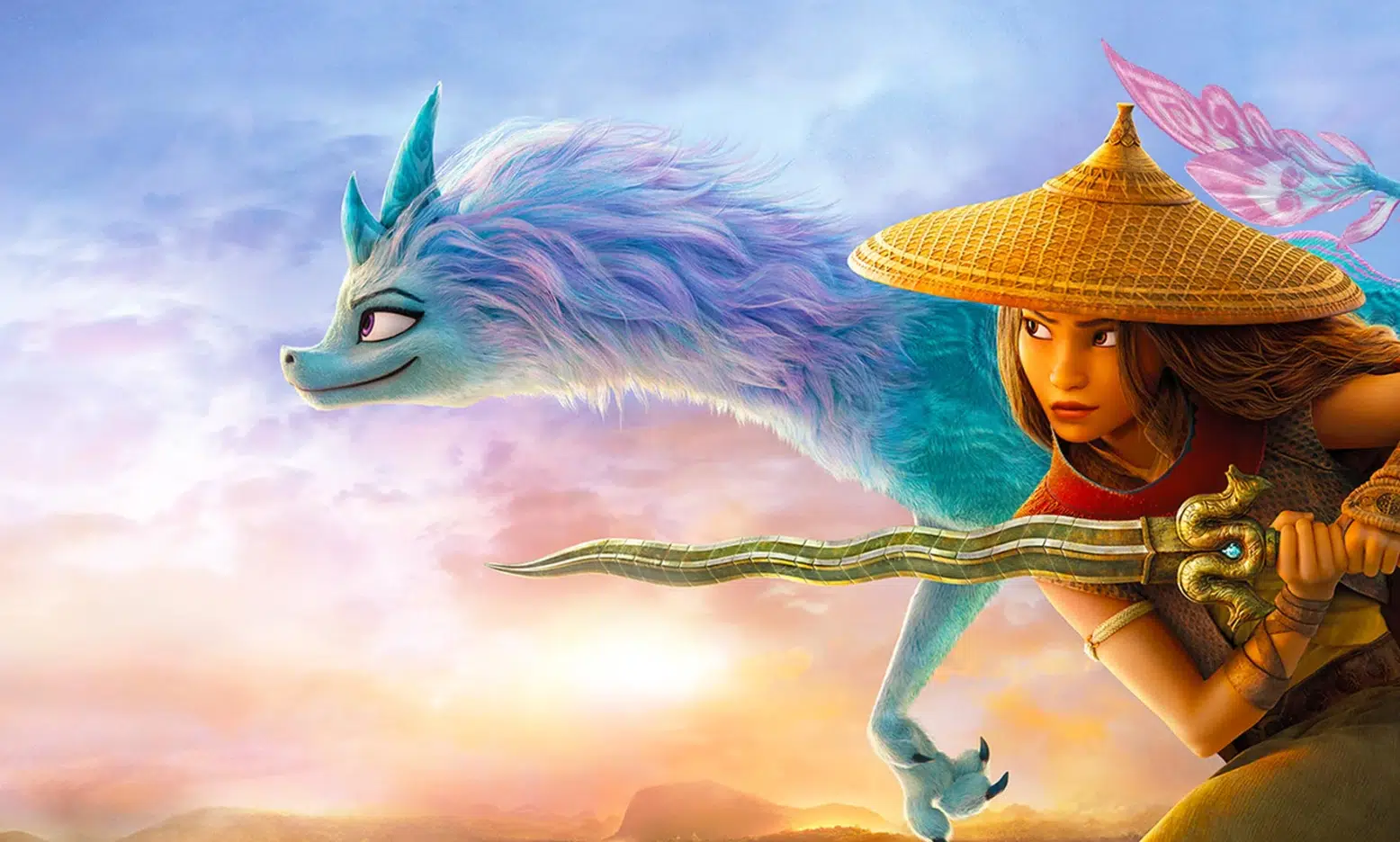
It's obvious that Disney represents the most popular and universal values. It may be far behind the claims of contemporary feminism, but it intuitively reflects the wider public's understanding of women owning their destinies. The feminist criticism of marriage existed a century ago, but it wasn't until 2016 that Disney finally had a Moana who ’doesn’t talk about love. Perhaps for most ordinary women, it was also in the 2010s that they could no longer take marriage and love as a matter of course. We can finally be like Moana, not needing to be anyone's girlfriend, any prince's princess, nor to fulfill some kind of "king’s mission”, but rather just going on our own adventure.
With a pet, singing a song, rowing a boat, heading towards the vast. No need for beautiful appearance, no need to show how diligent we are, no need for some kind of power from a king, no need for longing for true love. Being brave, adventuring and breaking the rules, that's what being a princess is.
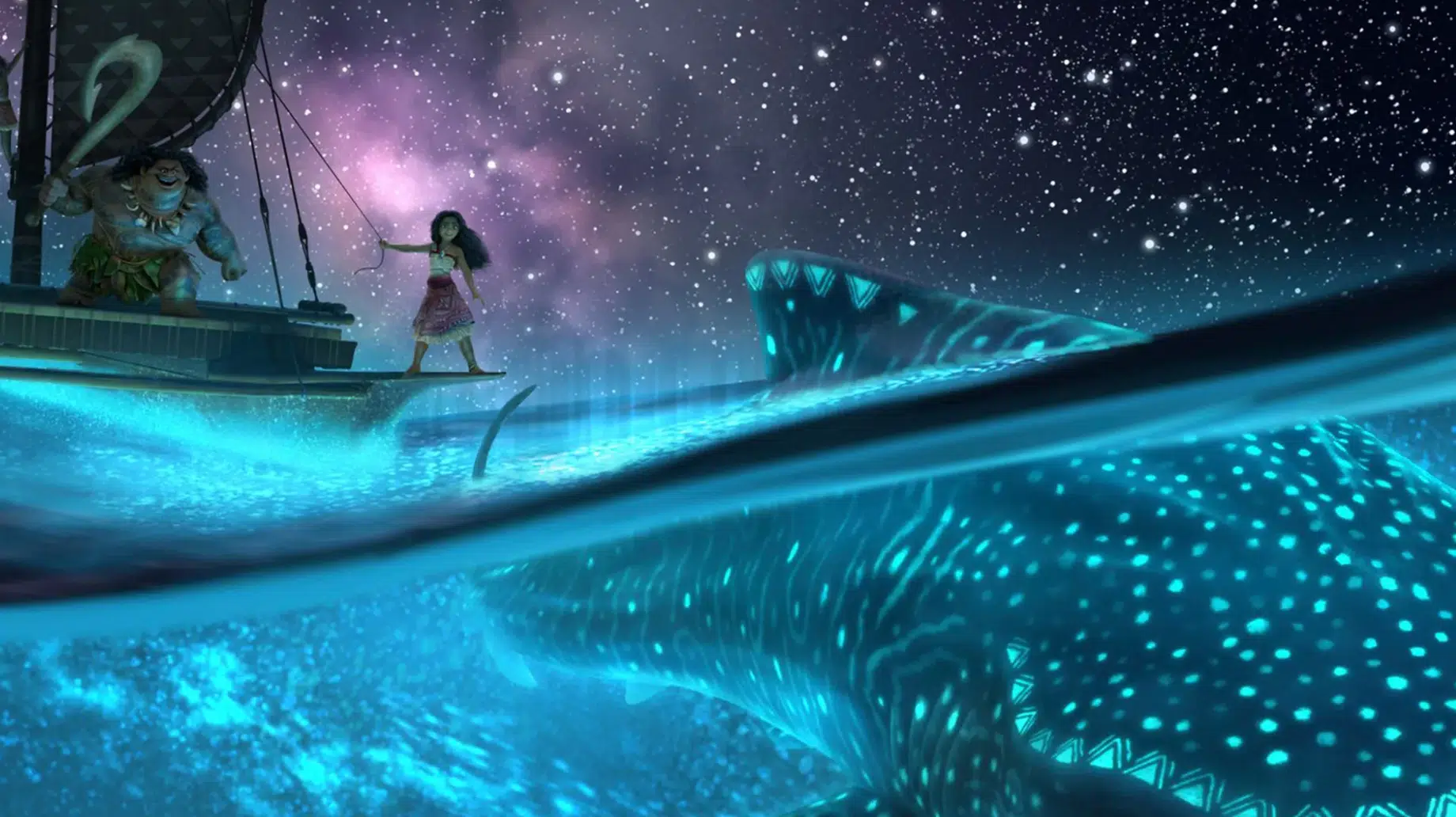
The world for Moana is so expansive and free that whenever I travel, taking in the vast sky and sea, I feel a sense of freedom and ease. I often can’t help but sing Moana's theme song, "How Far I'll Go."
I don't know how far I can go, but I'm sure I will always follow my inner voice and keep going.





Share your thoughts!
Be the first to start the conversation.