
**disclaimer - slight spoilers included **
Let's pose a hypothetical: Your partner is in love with you. Has been in love with you for years on end. One night, they come back ragged and worn and they tell you that they were about to kill someone. It was premeditated, the plans are all outlined in a secret book they've kept under the bed. You skim through the pages where you find half-crumpled pictures haphazardly gluesticked to the page, scrawled with ominous markings and horrible sentiments. There's even a long page that spells out exactly how the murder will be committed.
Your partner turns to you, eyes sincere and wide and they say: "But I didn't go through with it."
A long pause. There is no more explanation forthcoming.
You sit with the news for a while. You have questions but you aren't sure how to pose them, or how to even begin. Your partner waits beside you, unsure of how to proceed. They ask you: "Do you still love me?"
Of course, you say, "Yes."
It's instinct, a natural reflex, at this point. It is true.
Your partner smiles, but both of you know that something has fundamentally changed. You can't quite pinpoint what it is. Maybe it is the slant of that smile, once so soft and familiar, now outlined with a malice that you'd never noticed before. Did they smile like that as they drew those circles around their victim's face? As they imagined the silver edged sharpness of the blade against the victim's throat? How many times had they imagined that with you, when you pissed them off with an insensitive remark or something?
"But they didn't do anything!" My friend groans, burying her face in her hands. "Why is she being held accountable for something that didn't even happen?"
It's a few hours of not speaking and your partner's left to take a nice, long shower. You skim through some magazines. You find one with a bunch of models, scantily clad, posing around guns.
You turn on the telly and Adolescence starts playing, the episode where the kid confesses to what he did. His dad is heartbroken, but you think to yourself, the kid did it. He actually did it. The show examines the insidious nature of incel culture and how it pervades school systems; the kid thought it was cool.
You think, off-handedly, that your partner could make a good model, bearing arms. That they would make the perfect John Wick or something, and didn't everyone forgive him?
"But it's not about forgiveness," I try to explain, "It's about understanding."
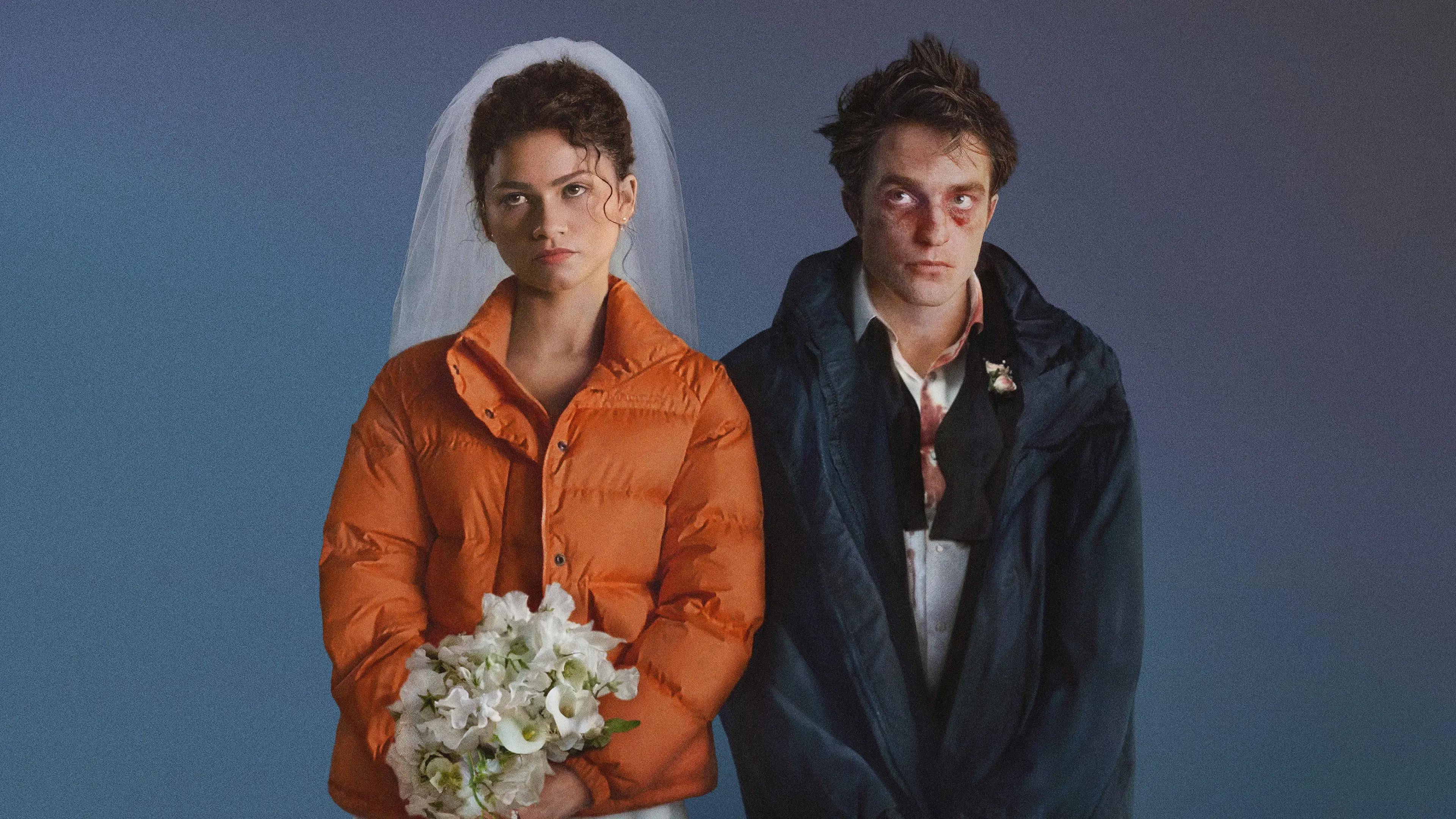
The difference is minuscule but it opens up a larger discussion on the repercussions of fad culture and the sensationalization of violence through media. That is what Robert Pattinson and Zendaya's new movie, The Drama, is about.
In the wake of Adolescence, The Drama takes a whole new approach to the conversation surrounding the social aesthetic of mass murder. That is, the movie explores complicity and accountability in a way that I don't think many movies have before.
Like, seriously, what if your partner was a hairbreadth away from committing an actual crime but never ends up going through with it? What do you do then?
The movie doesn't just stop there, though, it gives us a glimpse of the partner's backstory, and it's not even close to what you want to hear. In his quest to reconcile his feelings, Charlie (Pattinson) starts finding reasons and rationales to explain why Emma (Zendaya) might even imagine doing what she has confessed she was planning on doing. Maybe it's trauma, bullying, racism, something, but the more the conversation unravels, the less anything makes sense. And that's intentional.
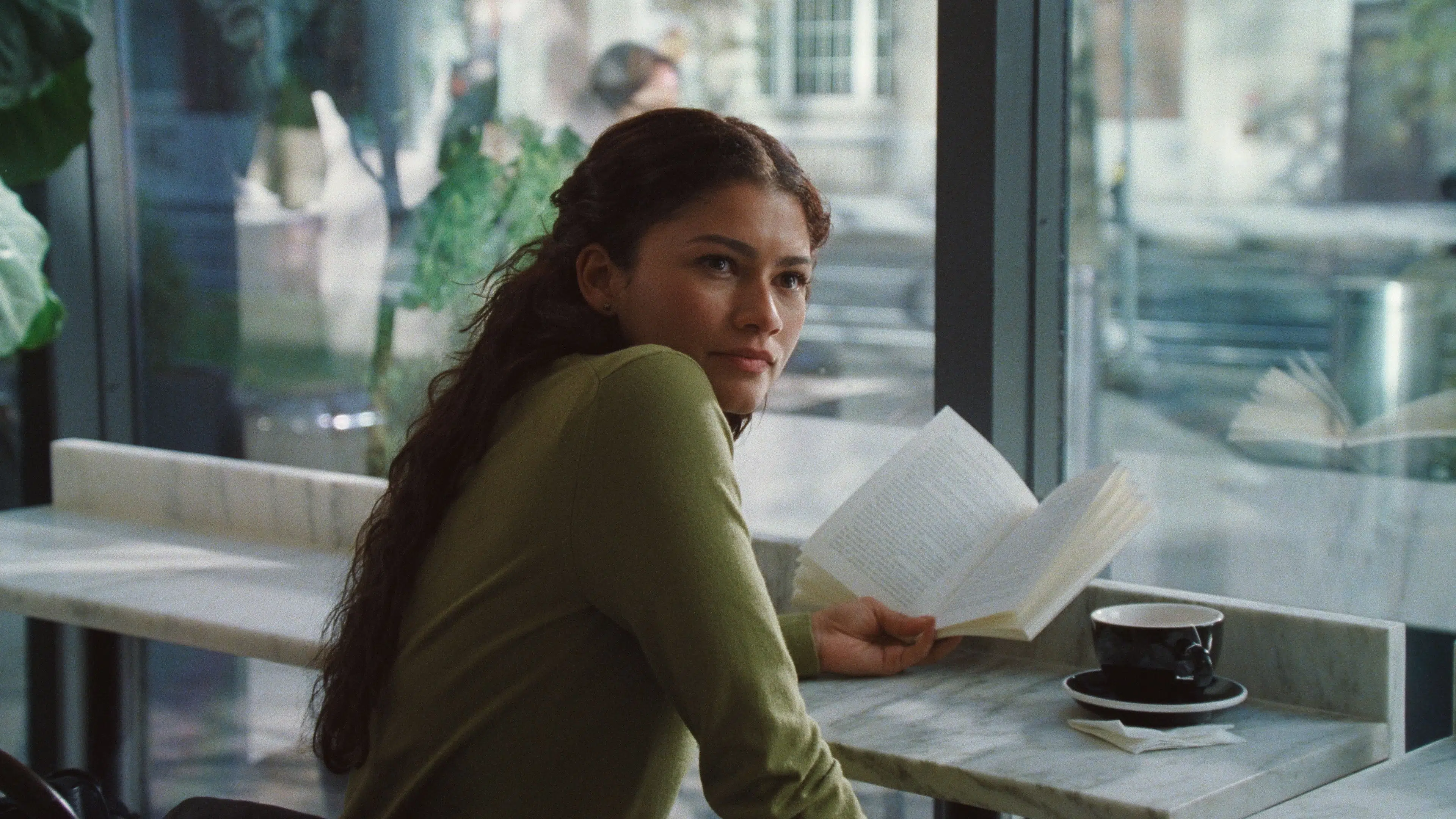
It might seem like a simple story, but there are so many layers to Zendaya's character and the way that her choices are scrutinized. I mean, right off the bat, we get race identity (consider how the standard of morality is different depending on the person); we get conversations critiquing the stereotypes surrounding violence and who is capable of it; we are asked to consider how motivation changes the context and the way the intent to commit violence is perceived. And, all of these threads intersect with one another, adding a whole other layer to the conversation.
What I want to focus on, however, was the lack of motivation. Emma's whole spiel is that she was partly curious and that the movement was cool to her; she felt a sense of belongingness. Immediately, I was like: RED FLAG, run for your life Edward!
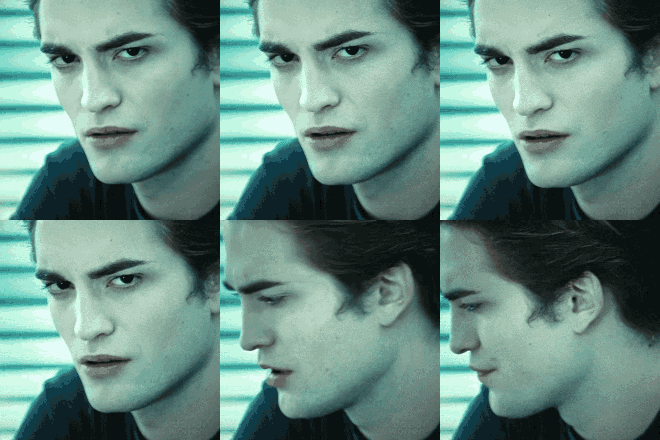
The lack of motivation (a backgrounding trauma that pushed her over the edge or something), made her sound psychotic. How are you supposed to ever trust someone like that? She could easily wake up one day and commit murder 'cause other people are doing it. But then, like usual, I started thinking.
I realized that this decision wasn't just there for shock or laughter, it was speaking to a larger issue at hand. I mean, that scene when Charlie's flipping through the photobook of the models posed with guns is pivotal to understanding what the movie is trying to explore. This isn't an individual phenomenon. It's not like one day a kid wakes up and thinks yeah I am gonna kill a bunch of kids; things happen in the background, too, even if they don't feel as huge.
Think of all these vulnerable minds who are exposed to images and storylines where violence isn't only posited as a solution, it's sensationalized as something cool and suave and sexy.
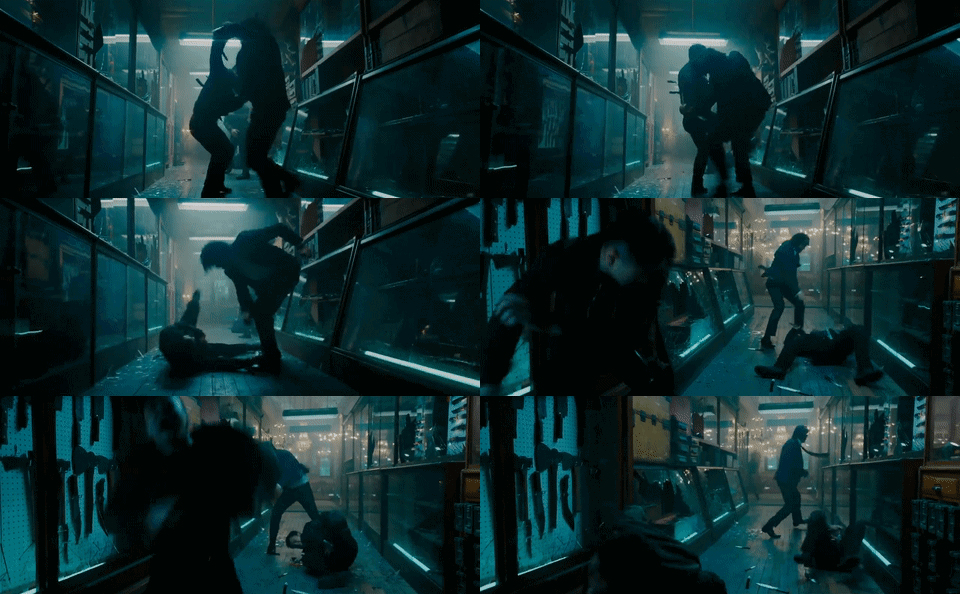

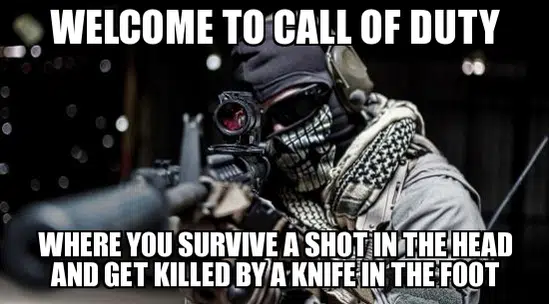
I'm not saying that playing a game of COD primes you to become a murderer, but I think that The Drama bravely forces us to think about the longterm effects of desensitizing a whole community of people to violence. When you see all these images over and over again, when you find these hubs online of angry people, isolated people, people who want to be seen and heard and you yourself are feeling the same, what is the effect of it?
Think about fashion styles and how certain trends spread like wildfire. One day there was cat-eye, and then all of a sudden we were into the fox-eye era. Fashion styles form communities online, connecting like-minded people together, which is great, but what about the underbelly?
The aesthetic of violence isn't hidden either; I mean, the whole formation of extremist groups and INCEL culture, for instance, pockmark the bottom of the internet. Just because we don't see it, doesn't mean it's there. And, it's growing. Sometimes, it explodes because what might have been a simple statement typed online forms into a plan which then forms into an action and BAM!
School shooting.
Having Emma embody this hidden space becomes all the more important to the conversation because it demands us to draw a line. Is she complicit because she almost committed a crime fifteen years ago? If the motive doesn't match the severity of what she was going to do, where does that place her? She thought that holding a gun made her look sexy and desirable; her whole webcam confession tape was more for the aesthetic of it all than anything else. How does that change the way we are supposed to hold her accountable? Is she a bad person?
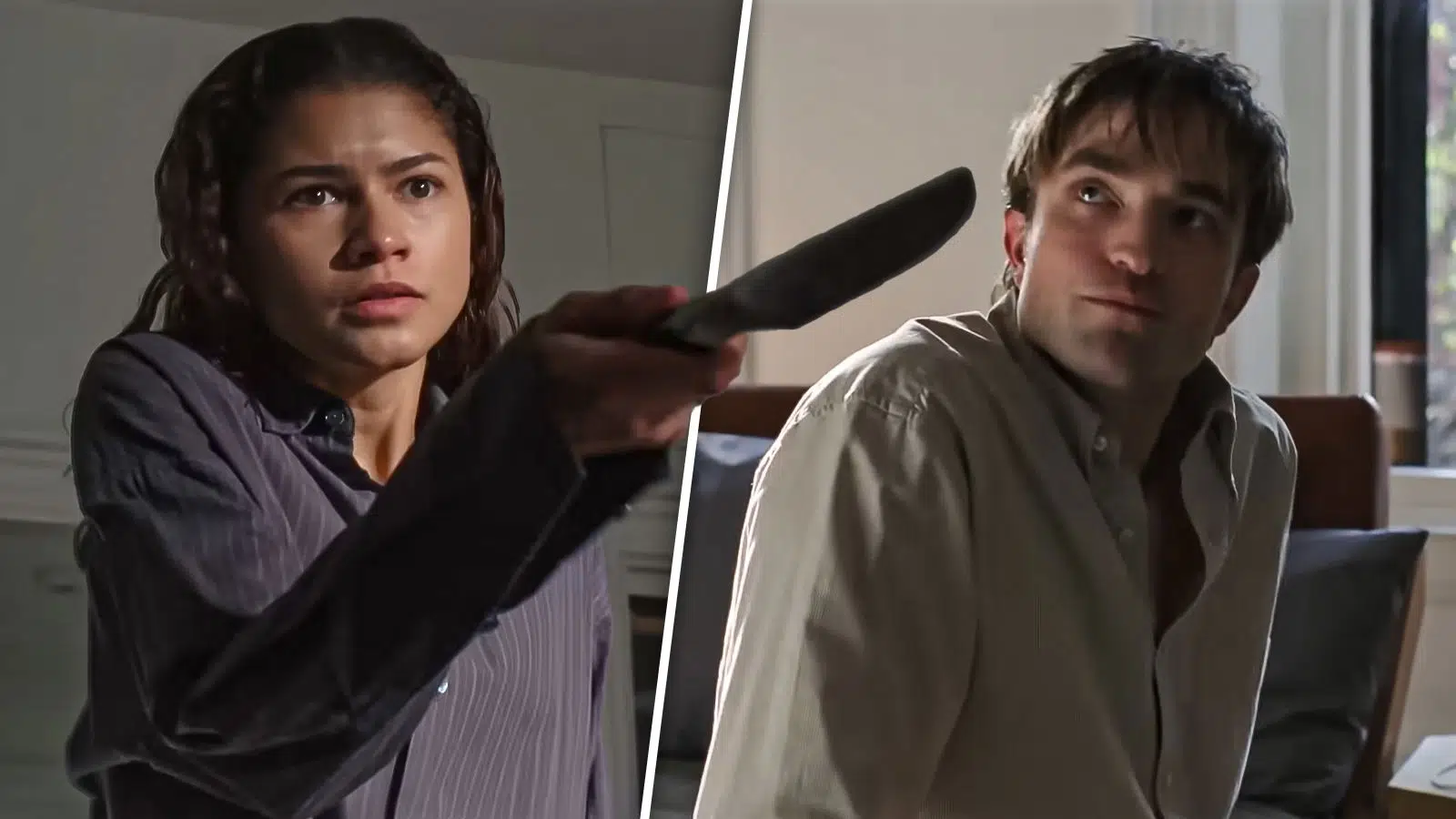
I don't know what the answer is, either. I mean, sometimes I want to say that she was young and naive and she's atoned for her mistakes. Other times, I'm like, this girl never really understood the extent of what she was about to do. She never showed enough guilt or remorse for me to believe that she regretted even getting to that point. But then, again, how does one measure guilt?
This movie made me realize that it's nearly impossible to define a standard for complicity. In fact, it reminded me of how much the standard changes from person to person. Compare that to Rachel's character, who in the beginning admits to committing an atrocious act against a vulnerable party. If you were to take a step back and actually consider Rachel's worst thing, it might make you second guess how you find yourself perceiving Emma's character after she confesses. Rachel actually committed her crime and got away with it; a young kid was hurt from her actions, and she neither demonstrated any guilt or remorse for her actions. It was a joke. A silly mistake from when she was younger. Yet, nobody condemns her, at least not to the same extent as Emma, for her decision or the fact that she even thought of doing it in the first place. Emma, on the other hand, doesn't even commit her crime, but she is burned at the stake for even having those thoughts in the first place.
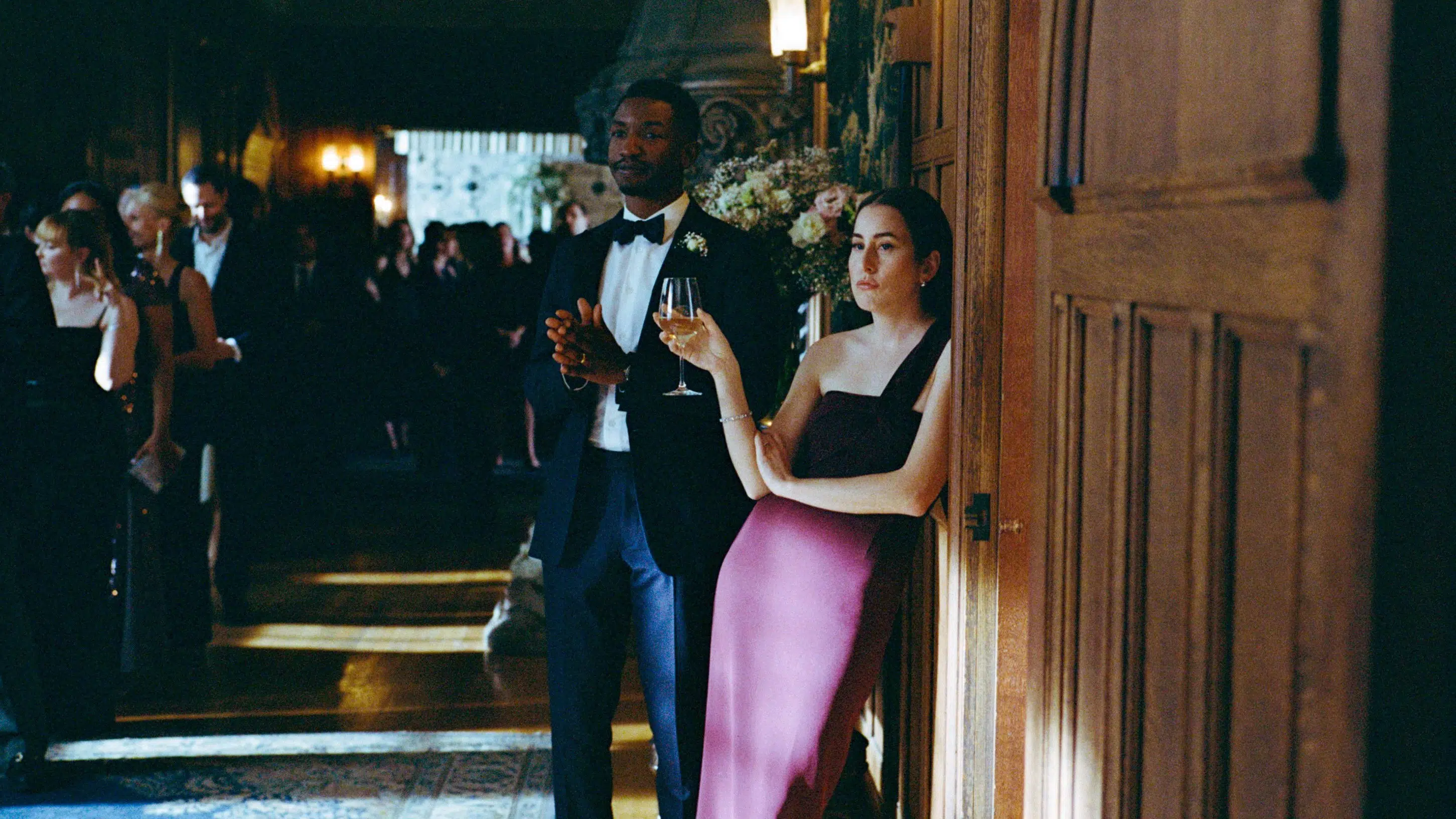
I've heard a few different opinions on whether or not Rachel is as bad as she seems. Maybe this is my introduction to another article on how I believe she's fully the villain. I don't know. I think you guys need to watch the movie ASAP and tell me what you feel. Or, if you've seen it, tell me what you think and why in the comments!





Share your thoughts!
Be the first to start the conversation.